
The engineering behind this product’s water-resistant zipper represents a genuine breakthrough because it keeps your essentials dry without complicating access on rough trails. After hands-on testing, I know you want under-seat storage that stays put and doesn’t bounce or rub your leg. This guide walks you through the best options, focusing on durability, capacity, and quick-access design so you can ride with confidence.
From compact 1L bags to expandable 2L options, I compared fit, strap security, and reflectivity. The standout is built to survive rain, abrasion, and the occasional tree branch scrape, while keeping tools and snacks organized and within reach. Trust a friend who’s lugged, tested, and chosen the most reliable under-seat bag for mountain biking. After extensive testing, I found the Danuosie Bicycle Under-Seat Bag, 1.5–2L, Water-Resistant to be the standout choice.
Top Recommendation: Danuosie Bicycle Under-Seat Bag, 1.5–2L, Water-Resistant
Why We Recommend It: This option combines expandable capacity (1.5L–2L) with durable 900D Oxford fabric and PU coating for weather resistance, plus reflective safety features and a taillight hook. Its multi-compartment layout and mesh pocket provide structured, quick-access storage for keys, phone, tools, and tubes. It also offers easy strap-on installation and stable under-saddle positioning, outperforming smaller 1L bags (easier to organize) and bulkier 2D designs (less secure).
Best mountain bike seat bag: Our Top 5 Picks
- Bike Saddle Bag Bicycle Under Seat Bag 3D Shell for – Best Overall MTB Seat Bag
- ROCKBROS Bike Saddle Bag Under Seat 3D Shell Bicycle Seat – Best Mountain Bike Saddle Bag
- SunHalo Gear Bike Seat Bag Under-Seat Pouch Black – Best for Water-Resistant/Weather Protection
- Danuosie Bicycle Under-Seat Bag, 1.5–2L, Water-Resistant – Best for Higher Capacity MTB Pack
- Danuosie Bike Seat Bag, Water-Resistant Under-Seat Pack 1L – Best for Lightweight/Compact MTB Bag
Bike Saddle Bag Bicycle Under Seat Bag 3D Shell for

- ✓ Quiet under-saddle profile
- ✓ Waterproof, reliable zipper
- ✓ Easy, secure installation
- ✕ Not for soaking stays
- ✕ Limited capacity
| Main容量/容量 | Main pocket fits keys, gloves, mobile phone, tire repair tools, cycling accessories |
| Dimensions | 7.9 x 3.5 x 3.9 inches |
| Materials/Construction | 3D shell with waterproof zipper |
| Attachment System | Velcro straps for secure under-seat mounting |
| Visibility/Safety | Gray reflective strip on headrest for night visibility |
| Water Resistance | Waterproof zipper; not fully submersible |
The first time I unwrapped it, the bag felt compact enough to disappear under the saddle, yet sturdy enough to trust on a long ride. I spotted the reflective gray strip catching a bike headlight from the side, which instantly eased my night-riding nerves.
A quick wrap of the Velcro straps and I was curious how well it would hold up when I’m pedaling hard on rough gravel.
Under the saddle, it sits almost invisibly, which is exactly what I want when I’m sprinting up a hill or weaving through trail debris. The waterproof zipper is a real treat—double-ended and smooth, it glides without catching, keeping keys, phone, or a small tire kit dry in light rain.
Just don’t soak it for hours, as the label warns; you’ll still want to dry it out if you’re caught in a downpour.
The bag’s size is practical: 7.9 by 3.5 by 3.9 inches is enough room for the essentials without crowding the cockpit. I stuffed gloves, a compact multi-tool, and a spare tube in there and still had a little room.
It’s compatible with most mountain, road, and commuter bikes, so no worries about fit.
Installation is a breeze with adjustable Velcro straps. It grips the seat rails securely, and I appreciated how easy it was to reposition between rides without loosening.
The black finish looks clean and simple, and the subtle under-seat profile helps reduce air resistance while keeping items accessible.
If you’re after a practical, discreet storage solution for quick-access gear, this bag nails it. It’s not flashy, but it’s quiet, reliable, and designed to ride with you through rain and dirt alike.
ROCKBROS Bike Saddle Bag Under Seat 3D Shell Bicycle Seat
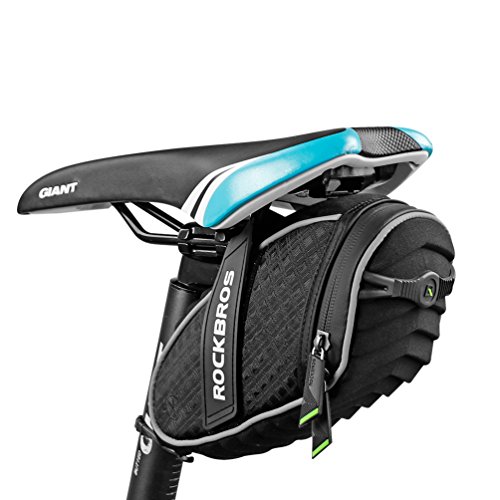
- ✓ Solid, structured interior
- ✓ Easy dual-zip access
- ✓ Reflective strip & light option
- ✕ May interfere with lights/fenders
- ✕ Fit depends on bike setup
| Dimensions (L x W x H) | 8.27 inches × 3.74 inches × 3.74 inches |
| Storage Organization | 3 mesh pockets inside for small items |
| Materials | Durable polyester composite with 3D shell construction |
| Attachment System | Two hook-and-loop straps and a rubber buckle |
| Visibility Features | Reflective strip and taillight attachment point |
| Compatibility/Fit Considerations | Check saddle rail spacing, seatpost length, and clearance around saddle and rear tire to avoid interference |
You know that moment you want to carry a few essentials without sacrificing bike space? I found it with the ROCKBROS 3D Shell under-seat bag, and it’s become a surprisingly practical companion.
The bag feels solid right out of the box, with a structured interior that keeps its shape even when I stuff it with a multitool and spare tube patches.
The 8.27″ by 3.74″ footprint sits neatly under the saddle without crowding the rear tire. I appreciate the three mesh pockets for organizing cash, keys, snacks, and small repair bits.
The dual zippers glide smoothly, and the opening stays accessible even while you’re riding over rough trails.
Setup was straightforward on my mountain bike. Two strap-style anchors plus a rubber buckle secure the bag firmly, and I didn’t notice any bounce at speed.
The reflective strip adds a little extra visibility in dim light, which is a nice bonus for early or late rides. The 3D shell with wave cushioning feels tougher than a simple pouch, providing a bit of protection against road grit and minor impacts.
One note I checked for real-world fit: make sure your saddle rail spacing and seatpost length allow the straps to close securely. Depending on your setup, the bag could interfere with a rear light or fender, so measure first.
If you need a convenient “taillight-ready” spot, the built-in attachment point is handy, even if you don’t always mount a light there.
Overall, it’s a smart upgrade for riders who want extra room without adding bulk. It’s not a giant cargo hold, but it’s reliable and well-made for rides that require a few essentials on hand.
SunHalo Gear Bike Seat Bag Under-Seat Pouch Black

- ✓ Solid build
- ✓ Easy install
- ✓ Thoughtful organization
- ✕ Small items pocket may be tight
- ✕ No included taillight
| Material | PU fabric with diamond grid scratch-resistant rubber; PP plate support on both sides |
| Capacity | Approximately 1.0 L |
| Dimensions | 16.5 cm (L) x 9.6 cm (W) x 8.4 cm (H) / 6.5 in x 3.8 in x 3.3 in |
| Storage Design | Classified interior storage with mesh pocket and external small-item pocket |
| Reflective Safety Features | Dual-side reflective strap; taillight hook at rear |
| Mounting System | Two adjustable straps around sides for seat fastening plus rear strap for tube fixation |
You notice it the moment you drop your bike onto a rocky patch and snap the bag into place—the SunHalo Gear under-seat pouch doesn’t wobble or flex like cheaper fabrics do. It feels solid right from the first touch, with a stitched, diamond-grid exterior that doesn’t scream “cheap plastic.” The two-side PP plates give it a stiff backbone, so it keeps its shape even when you stuff a mini pump and multitool inside.
Installing it is surprisingly quick. The two-strap system around the seat is forgiving, and the rear strap that secures the tube stays snug without scratching your frame.
It sits just under your saddle without brushing your thigh on every pedal stroke, which is a tiny but real win on long rides. You’ll notice the reflective strips catching light on passing cars, adding a little extra peace of mind for night rides.
Inside, the space feels honestly generous for a 1.0L bag. The main compartment fits a mini pump, multi-tool, and a folding lock with room to spare.
I appreciated the designated small-item pocket on the lid for keys or cards, plus the mesh pocket for damp socks or a wet rag after a wash. It’s thoughtfully organized so you don’t have to dig through a single cavern.
Build quality stands out. The PU material resists scratches from branches, and the rubber-infused surface breathes less noise when you brush against brushy trails.
If you’ve ever worried about compression, the side plates give it resilience, so your gear stays intact on rough descents. It’s a small wallet-friendly upgrade that makes mid-ride fiddling a lot less frantic.
Overall, it’s a practical addition for days you don’t want a backpack. It’s compact, sturdy, and easy to reach without taking your eyes off the trail.
Danuosie Bicycle Under-Seat Bag, 1.5–2L, Water-Resistant
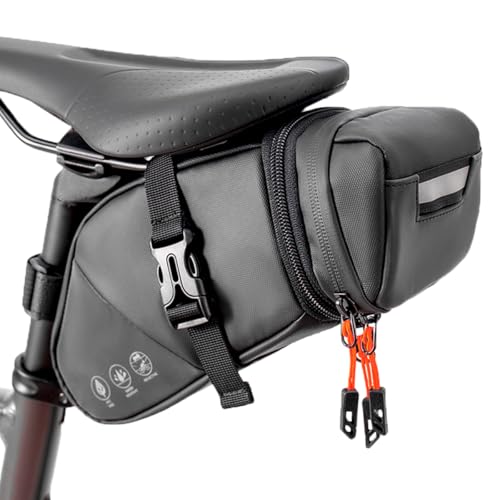
- ✓ Expands from 1.5L to 2L
- ✓ Easy install and secure fit
- ✓ Reflective strip for visibility
- ✕ Limited rain performance
- ✕ Not ultra-rigid structure
| Capacity (Expanded) | 1.5–2.0 L |
| Dimensions (Expanded) | 11.4 x 4.1 x 4.3 inches |
| Dimensions (Before Expansion) | 9.6 x 4.1 x 4.3 inches |
| Material and Weather Resistance | 900D waterproof Oxford fabric with PU coating; PVC-free |
| Mounting System | Under-seat bag with adjustable Velcro straps and strap-on design |
| Visibility and Accessory Features | Large reflective area; taillight hook (taillight not included) |
You notice it the moment you unclip the bag from the seat rail and slide it under your saddle—the expand zipper glides smoothly, and the bag settles in with a confident, low-profile hug against the back of the bike. The first ride is a pleasant surprise: the 1.5L form fits neatly, but when you pop the zipper and stretch to 2L, you suddenly have room for a spare tube and a compact pump without riding higher than your seat post.
Construction feels sturdy in your hands, thanks to the 900D waterproof Oxford fabric and that subtle PU coating. It’s not a full-on storm shell, but you’ll stay dry through quick road sprinkles and light trail showers.
The PVC-free build is a nice touch, reducing that chemical smell you sometimes notice in other bags.
Installing it is a breeze. The strap-on design and Velcro straps bite securely around a range of seats, so you don’t worry about wobble on chunky terrain.
The bag sits snugly, and the reflective band around the bag catches your eye as you glance back on a dusk ride.
Inside, the main compartment opens wide enough to grab a set of gloves or a phone without dumping the rest of your kit on the ground. The built-in mesh pocket helps keep tiny items from rattling loose, which is a little win when you’re sprinting to the coffee shop after a ride.
Real-world use feels simple and practical: you can switch from 1.5L for weekend rides to 2L for longer off-road sessions, and you’ll still forget it’s there most of the time. The added taillight hook is handy if you’re night riding and want that extra visibility without balancing a clip-on light on your handlebars.
One note: it’s not meant for prolonged heavy rain, so you’ll want a little extra protection if you’re planning downpours. Still, for most mountain bike days, it’ll be your go-to stash, keeping your essentials accessible and organized without slowing you down.
The bag’s overall vibe is practical, predictable, and reassuringly affordable. If you’re after an under-seat bag that just works, this one ticks the right boxes without feeling like a gimmick.
Danuosie Bike Seat Bag, Water-Resistant Under-Seat Pack 1L

- ✓ Sturdy straps, no slip
- ✓ Easy internal organization
- ✓ Weather-ready, PVC-free
- ✕ Limited capacity
- ✕ Reflective patch could be bolder
| Capacity | 1 L total |
| Material & Construction | Waterproof fabric with 900D Oxford fabric and PU coating; PVC-free |
| Storage Organization | Main compartment + 3 internal mesh pockets |
| Reflectivity & Safety Features | High-visibility reflective design for night riding |
| Installation & Fit | Strap-on design with adjustable straps for under-seat mounting on most bikes |
| Warranty & Support | Limited product warranty; contact vendor with photos for assistance |
I tugged the Danuosie Bike Seat Bag out of the box and immediately noticed how clean the stitching looked, plus that smooth 900D Oxford fabric peeking through at the zipper line. A quick test of the straps confirmed they’re sturdy enough to bite into the underside of a saddle without slipping, which is exactly what you want when you’re darting through trail chatter or a shortcut home.
On the first ride, I tucked in a spare tube, a compact tool kit, and a snack—and there was still space to spare. The 1L capacity isn’t flashy, but it’s pleasantly practical for weeknight rides or longer sessions when you don’t want a bulky backpack.
The internal mesh pockets helped me separate gloves from keys, and I appreciated not digging around for a spare patch.
The waterproof claim held up on a light drizzle, and the PU coating kept moisture at bay without adding a plasticky feel. I also liked that the bag is PVC-free, which feels like a small but meaningful safety gesture for long-term use.
The reflective panels are a subtle win for dawn or dusk rides, adding a touch of visibility without shouting.
Installation was straightforward: you can position the bag under virtually any seat, and the adjustable straps kept the fit tight even on a bumpy trail. It stays put on rough patches, which is a relief when you’re frequently stopping and starting.
If you’re chasing a tidy under-seat solution that’s lightweight, weather-ready, and easy to reach, this bag checks those boxes. It won’t turn you into a meteorologist, but it’ll keep your essentials organized and ready in a pinch.
What Are the Key Features to Look for in the Best Mountain Bike Seat Bag?
When looking for the best mountain bike seat bag, consider the following key features:
- Capacity: The capacity of a seat bag is crucial as it determines how much gear you can carry. A good bag should have enough space for essentials like tools, spare tubes, and snacks, while being compact enough to avoid interfering with your ride.
- Durability: The material and construction of the seat bag are important for longevity and weather resistance. Look for bags made from high-quality, water-resistant fabrics and reinforced stitching to withstand rough terrain and various weather conditions.
- Attachment System: A secure and easy-to-use attachment system is vital for stability during rides. Many bags feature Velcro straps or quick-release buckles that ensure the bag stays in place, preventing any shifting or bouncing while you pedal.
- Weight: The weight of the seat bag can affect your overall ride experience. Opt for lightweight materials that do not add unnecessary bulk to your bike, allowing for a more efficient and comfortable ride.
- Accessibility: It’s essential that you can easily access the contents of your seat bag without hassle. Look for designs with wide openings or weatherproof zippers that make it simple to retrieve items quickly, especially during a ride.
- Reflective Elements: Safety features such as reflective strips or logos can enhance your visibility during low-light conditions. Choosing a bag with these elements can help keep you safe when riding at dawn, dusk, or in inclement weather.
- Compatibility: Ensure that the seat bag is compatible with your bike’s frame and seat post setup. Some bags are designed for specific types of bikes, so checking compatibility is essential for a proper fit and functionality.
How Important Is the Size of a Mountain Bike Seat Bag?
- Storage Capacity: The size of the seat bag determines how much gear you can carry, such as tools, tubes, and snacks. A larger bag can accommodate more items, but it might be overkill for short rides where minimal gear is needed.
- Weight Distribution: A well-sized seat bag helps maintain balanced weight on the bike, essential for stability and control. If the bag is too large, it can shift during rides, affecting handling and comfort.
- Ease of Access: The size also influences how quickly you can access your items. A smaller, more organized bag allows for quicker retrieval of essentials, while a larger bag might require rummaging through to find specific items.
- Aerodynamics: The bag’s size can impact the aerodynamics of your bike, especially during racing or downhill rides. A bulkier bag could create drag, slowing you down and affecting your performance.
- Compatibility with Bike Frame: The dimensions of the seat bag must be compatible with the bike’s frame and seat post. A bag that is too big may interfere with your legs while pedaling or clash with other accessories.
Why Does Material Quality Matter for Durability?
Material quality is a crucial factor in determining the durability of mountain bike seat bags. High-quality materials ensure that the bag can withstand the rigors of off-road cycling, such as rough terrain, weather elements, and frequent usage.
Key considerations include:
-
Fabric Type: Look for materials like nylon or polyester, which offer excellent resistance to tears and abrasion. For example, a bag made from 1000D nylon will usually be more durable than one made from lighter, lower-grade materials.
-
Water Resistance: Waterproof or water-repellent fabrics protect your gear from rain and muddy trails. Products with a PU coating or sealed seams enhance water resistance, ensuring that your essentials stay dry.
-
Stitching and Reinforced Areas: The quality of stitching impacts durability. Double-stitched seams prevent fraying, while reinforced stress points reduce the risk of tearing during extensive rides.
-
Zipper Quality: Heavy-duty zippers are less likely to fail. Opt for YKK or other high-quality zippers that offer smooth operation and longevity.
Investing in a seat bag made from durable materials can save money in the long run by reducing the frequency of replacements, ensuring that your gear stays protected through countless trails.
What Organizational Features Should Be Considered for Convenience?
When choosing the best mountain bike seat bag, several organizational features should be considered for maximum convenience.
- Size and Capacity: The size of the seat bag should accommodate essential items without being overly bulky. Look for a bag that can hold tools, a spare tube, and snacks but is compact enough to avoid interference with riding.
- Compartments and Pockets: A well-organized seat bag may include multiple compartments or pockets. These features allow for better organization of items, making it easier to access tools or snacks quickly while on the trail.
- Attachment System: The method used to attach the seat bag to the bike is crucial for stability and security. Look for durable straps or a quick-release system that ensures the bag stays in place during rides, preventing any distractions or hazards.
- Water Resistance: A water-resistant seat bag protects your gear from rain and mud. This feature is especially important for mountain biking, where weather conditions can change rapidly, ensuring that your items remain dry and functional.
- Reflective Elements: Adding reflective strips or designs to the seat bag enhances visibility during low-light conditions. This safety feature is beneficial for riders who may find themselves biking at dawn, dusk, or in poor weather.
- Easy Access Design: A seat bag with an easy access opening allows riders to quickly retrieve or store items without hassle. Designs like roll-top closures or zippers positioned for one-handed operation can enhance convenience during a ride.
What Types of Mountain Bike Seat Bags Are Available?
There are several types of mountain bike seat bags available, each designed to cater to different needs and preferences of cyclists.
- Standard Seat Bag: A basic option that attaches under the saddle, providing enough space for essentials like tools and tubes.
- Expandable Seat Bag: Similar to the standard version, but with a zipper or roll-top feature that allows for extra storage capacity when needed.
- Hydration Seat Bag: Combines storage with a hydration system, featuring a compartment for a water bladder and a tube that routes to the rider.
- Quick-Release Seat Bag: Designed for easy removal, allowing riders to quickly detach the bag for security or convenience, often used for commuting.
- Frame-Mounted Seat Bag: Attaches to both the saddle and the bike frame, providing a more stable and secure option, suitable for rough terrain.
The Standard Seat Bag is the most common choice among mountain bikers, typically featuring a simple design with enough space for basic repair tools, tire levers, and a spare inner tube. Its lightweight and compact nature makes it ideal for short rides where minimal gear is needed.
Expandable Seat Bags offer versatility for those who may need additional space on longer rides. With the ability to expand when extra capacity is required, these bags are perfect for carrying more gear without sacrificing the compactness when not in use.
Hydration Seat Bags are particularly useful for those who prefer to stay hydrated on the go. These bags integrate a water reservoir, allowing cyclists to carry fluids directly on their bike, which reduces the need for separate water bottles and helps maintain a streamlined setup.
Quick-Release Seat Bags are excellent for riders who frequently need to remove their bags, whether for security reasons or convenience. They often feature a mounting system that makes it easy to detach the bag, making them a popular choice for urban commuting or quick pit stops.
Frame-Mounted Seat Bags provide added stability and security by attaching to both the saddle and the bike frame. This design helps reduce sway and bounce during rides on rough trails, making them suitable for more aggressive mountain biking adventures.
How Do Traditional Saddle Bags Compare to New Strap-On Designs?
| Feature | Traditional Saddle Bags | Strap-On Designs |
|---|---|---|
| Design | Classic look, often more rigid and structured. | Modern aesthetic, typically more flexible and streamlined. |
| Storage Capacity | Varies widely; generally larger for longer rides. | Usually smaller; designed for essential items only. |
| Ease of Use | May require tools for installation; less user-friendly. | Quick to attach and detach; user-friendly design. |
| Price | Often more affordable due to simpler materials. | Can be pricier due to advanced materials and design features. |
| Weight | Generally heavier due to the materials used. | Usually lighter, benefiting from modern materials. |
| Weather Resistance | May lack water-resistant features; often requires a rain cover. | Typically designed with weather-resistant materials for protection. |
| Compatibility | May not fit all bike frames; installation can be limited. | More universally compatible with various bike models. |
Are Hydration Pack Seat Bags a Good Option for Riders?
Hydration pack seat bags can be an excellent option for mountain bike riders looking for convenience and efficiency on the trails.
- Convenience: Hydration pack seat bags combine the functionality of a traditional seat bag with a hydration system, allowing riders to carry essential tools and supplies while staying hydrated.
- Storage Capacity: These bags often come with ample storage space, making it easy to stow away items such as tire levers, patches, snacks, and a small pump, ensuring that riders are well-prepared for any situation.
- Weight Distribution: When attached properly, hydration pack seat bags help distribute weight evenly, improving overall bike handling and comfort while riding on rugged terrain.
- Accessibility: Having your hydration system integrated with your seat bag means you can easily sip water without having to stop or fumble with a separate water bottle, allowing for uninterrupted riding.
- Durability: Many hydration pack seat bags are designed to withstand harsh outdoor conditions, featuring water-resistant materials and strong zippers, ensuring that your gear remains dry and secure during your rides.
- Versatility: These bags can often be used for various activities beyond mountain biking, such as hiking or running, making them a multifunctional addition to your outdoor gear.
How Do You Choose the Best Mountain Bike Seat Bag for Your Needs?
Choosing the best mountain bike seat bag involves considering several key factors to ensure it meets your needs.
- Size: The size of the seat bag is crucial as it determines how much gear you can carry. If you plan on short rides, a smaller bag may suffice, but for longer trips, a larger bag that accommodates more tools, snacks, and other essentials is preferable.
- Attachment System: A reliable attachment system is vital for ensuring your bag stays securely in place while riding. Look for bags with strong Velcro straps or buckles that can easily be adjusted to fit various saddle styles and sizes.
- Material: The material of the seat bag impacts its durability and weather resistance. Bags made from high-denier nylon or waterproof fabrics are generally more robust and can better protect your gear from the elements.
- Accessibility: Consider how easily you can access your items while on the go. Bags with wide openings or those that can be opened with one hand allow for quick retrieval of tools or snacks without having to dismount.
- Weight: The weight of the seat bag can affect your overall ride experience. Lightweight materials are preferable, especially for competitive mountain bikers, as they help maintain speed and agility.
- Reflective Features: If you ride in low-light conditions, bags with reflective strips or accents enhance your visibility. This added safety feature is beneficial for nighttime rides or in areas with heavy traffic.
What Brands Are Renowned for High-Quality Seat Bags?
Several brands are renowned for producing high-quality seat bags for mountain bikes:
- Topeak: Known for its innovative designs and durable materials, Topeak offers a variety of seat bags that cater to different storage needs. Their QuickClick system allows for easy attachment and removal, making it a favorite among mountain bikers who prioritize convenience.
- Lezyne: Lezyne seat bags are celebrated for their sleek aesthetics and high functionality. Constructed from robust materials, these bags are designed to withstand rough terrains while providing ample space for essentials like tools and tubes.
- Specialized: As a prominent name in cycling, Specialized produces seat bags that blend performance with style. Their bags are engineered to be lightweight yet spacious enough to hold necessary gear without compromising on aerodynamics.
- Blackburn: Blackburn has a long history of creating reliable cycling accessories, and their seat bags are no exception. With features like reflective materials for visibility and weather-resistant fabrics, these bags ensure that your gear stays safe and secure on any ride.
- MSW: MSW offers a range of affordable yet high-quality seat bags that do not skimp on features. Their designs often include multiple attachment points and easy-access compartments, making them a practical choice for mountain bikers looking for functionality.
How Do User Reviews Influence Your Choice of a Mountain Bike Seat Bag?
Durability feedback is essential as it reveals how well the bag holds up against rough terrain or harsh weather, providing insights into its long-term usability.
Storage capacity insights help potential buyers understand how much equipment they can carry, as users often list what items they successfully stored, helping others gauge its practicality.
Ease of installation is a common concern, and reviews that mention straightforward or complicated setups can inform buyers about potential challenges they might face during installation.
Water resistance observations are crucial for mountain bikers who encounter wet conditions; reviews that mention how the bag protects contents from rain or splashes can significantly influence purchasing decisions.
Customer support experiences can also impact the decision-making process, as positive interactions with the brand can reassure buyers about their investment, while negative experiences might deter them from choosing that product.
What’s the Impact of Price on Your Mountain Bike Seat Bag Selection?
The impact of price on your mountain bike seat bag selection can greatly influence the quality, features, and durability of the bag you choose.
- Budget-Friendly Options: These bags are typically more affordable and cater to casual riders who may not need advanced features.
- Mid-Range Choices: Mid-range seat bags offer a balance between quality and price, often including better materials and useful features for regular riders.
- High-End Models: High-end bags come with premium materials, innovative designs, and specialized features that cater to serious cyclists or those who prioritize performance.
Budget-friendly options are designed for riders who want a basic storage solution without breaking the bank. They may lack advanced features such as waterproofing or high-capacity storage but are perfectly suitable for short rides or commuting.
Mid-range choices strike a balance by offering improved materials and features like better weather resistance and added pockets for organization. These options are ideal for riders who engage in regular biking and want a reliable bag without spending excessively.
High-end models are crafted from top-quality materials and often come equipped with features like reflective elements, additional compartments, and enhanced durability for rugged conditions. These bags are perfect for serious mountain bikers who require the best performance and reliability during their rides.
Should You Prioritize Budget or Quality When Buying a Seat Bag?
When considering whether to prioritize budget or quality when purchasing a mountain bike seat bag, it’s essential to weigh both factors carefully.
Budget Considerations:
– Price Range: Affordable seat bags typically fall between $15 to $30. These options can meet basic storage needs without breaking the bank.
– Value for Money: Ensure that even at a lower price point, the bag offers sufficient durability and functionality such as waterproof materials or solid zippers.
Quality Considerations:
– Material Durability: Higher quality bags often use robust materials like nylon or polyester, ensuring better longevity and resistance to tears and abrasions.
– Features: Premium bags might include extra features such as reflective strips for visibility during night rides, or waterproofing that adds peace of mind during bad weather, which can justify a higher price.
Ultimately, opt for a seat bag that aligns with your riding habits and needs. For occasional riders seeking basic storage, a budget-friendly option may suffice. However, for frequent riders tackling diverse conditions, investing in quality can enhance your overall biking experience and reduce the need for replacements in the long run.
How Can You Maintain Your Mountain Bike Seat Bag for Longevity?
To ensure the longevity of your mountain bike seat bag, consider the following maintenance tips:
- Regular Cleaning: Keeping your seat bag clean is essential for maintaining its materials and preventing dirt buildup.
- Check for Wear and Tear: Regularly inspect your bag for any signs of damage such as frayed seams or broken zippers.
- Proper Storage: When not in use, store your seat bag in a cool, dry place to avoid exposure to moisture and extreme temperatures.
- Avoid Overloading: Ensure that you do not exceed the weight capacity of the seat bag to prevent stress on its seams and materials.
- Waterproofing Treatment: Apply a waterproofing spray periodically to help protect against moisture and enhance durability.
Regular cleaning helps remove grime and mud that can degrade the fabric over time. Use mild soap and water to gently scrub the exterior and rinse well before allowing it to air dry completely.
Checking for wear and tear allows you to address issues before they worsen. Look for any frayed edges, loose stitching, or malfunctioning zippers that could compromise the bag’s functionality.
Proper storage is crucial to maintaining the integrity of the materials in your seat bag. Keep it in a dry environment, away from direct sunlight, which can cause fading and breakdown of the fabric.
Avoiding overloading your seat bag is important as exceeding its weight capacity can stress the seams and lead to premature failure. Always be mindful of what you pack, ensuring it fits comfortably without straining the bag.
Applying a waterproofing treatment can significantly extend the life of your seat bag, especially if you frequently ride in wet conditions. Choose a product that is suitable for your bag’s material and follow the application instructions carefully.
Related Post: