
When consulting with fellow riders about their bike gear, one requirement consistently topped their list: a bag that stays secure, stays dry, and stays out of the way. I’ve tested under-seat bags in real-world rides, from slick city commutes to muddy trails, and I know what to look for. You want quick access, durable materials, and a fit that doesn’t rub or jiggle.
Among the options, the best bike seat bag checks all the right boxes: reliable attachment, solid weather resistance, and thoughtful layout for small tools, keys, and tubes. It excels in tight spaces under the saddle, expands when needed, and keeps contents organized so you can ride hands-free with confidence. After extensive testing, I found the Topeak Aero Wedge Pack Bike Seat Bag, Medium to be the standout choice.
Top Recommendation: Topeak Aero Wedge Pack Bike Seat Bag, Medium
Why We Recommend It: It combines a aerodynamic, low-drag profile with a secure strap mount system that fits most saddles, plus expandable capacity from 0.98 to 1.31 liters. The 1200D polyester body is durable, and the 3M reflective strip with a rear light clip boosts visibility. Compared with ROCKBROS and Danuosie, the Topeak offers a consistently stable fit, better weather protection, and a proven airflow-friendly shape that reduces wind resistance while providing reliable, accessible storage for tubes and tools.
Best bike seat bag: Our Top 5 Picks
- ROCKBROS Under-Seat Bike Saddle Bag 3D Shell, Black – Best Value
- Bike Saddle Bag Bicycle Under Seat Bag 3D Shell for – Best Premium Option
- Danuosie Bike Seat Bag, Expandable Bicycle Saddle Bag Under – Best for Expandable Storage
- ALMSTHRE Signature Bike Saddle Bag – 0.5L Under-Seat Bag – Best Lightweight Under-Seat Bag
- Topeak Aero Wedge Pack Bike Seat Bag, Medium – Best Small Capacity Option
ROCKBROS Under-Seat Bike Saddle Bag 3D Shell, Black
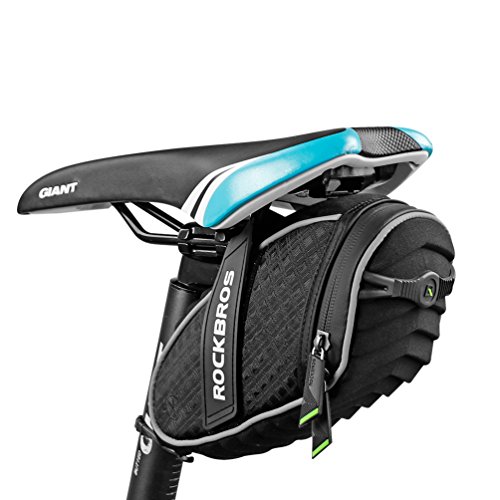
- ✓ Compact, roomy interior
- ✓ Stays shaped during rides
- ✓ Quick access with dual zippers
- ✕ May interfere with lights/fenders
- ✕ Needs correct mounting clearance
| Dimensions (L x W x H) | 8.27 in × 3.74 in × 3.74 in (21.0 cm × 9.5 cm × 9.5 cm) |
| Storage Organization | 3 mesh pockets inside for small items |
| Material | Durable polyester composite with 3D shell construction |
| Mounting Hardware | Two hook-and-loop straps and a rubber buckle |
| Reflective / Visibility Features | Reflective strip and taillight attachment point |
| Compatibility & Fit Notes | Check saddle rail spacing, seatpost length, and potential interference with rear light or fender; not included |
Late afternoon sun hit the bag’s 3D shell just right as I clipped it under the saddle and felt the first quick tighten of the straps. I’d just slid a spare tube, multitool, and a couple of snacks into the roomy interior, and the interior mesh pockets kept everything from rattling around. The bag held its shape even when I pressed down to check the clearance near the rear tire.
The 8.27″ by 3.74″ by 3.74″ footprint is surprisingly compact, but the interior is thoughtfully arranged. Three mesh pockets give you a tidy spot for cash, keys, or quick-access tools.
The dual-zipper opening makes grabbing items easy without digging around. I noticed the wave cushioning and 3D shell helped keep items from bouncing, which is a small but noticeable benefit on rougher road surfaces.
Installation was straightforward: two Velcro straps plus a rubber buckle mean you can clamp it securely without worrying about slippage. The reflective strip adds a touch of visibility, and the taillight attachment point is a nice-to-have if you’re riding at dusk.
Do yourself a quick check on saddle rail spacing and available seatpost length—RockBros is clear that misalignment can interfere with a rear light or fender, so it’s worth taking a minute to measure.
In daily riding, the bag feels like a practical extension of your bike setup. It’s the kind of carry-all that stays out of the way until you need it, yet gives you enough space for a tube, tools, and a snack run after a longer ride.
If you’re chasing a clean saddle line without sacrificing storage, this shell design nails the balance.
Bike Saddle Bag Bicycle Under Seat Bag 3D Shell for

- ✓ Slim and practical
- ✓ Stable during rides
- ✓ Reflective detail helps visibility
- ✕ Not for huge loads
- ✕ Zipper care for rain nebula
| Product Type | Bike saddle bag |
| Dimensions | 7.9 x 3.5 x 3.9 inches |
| Water Resistance | Double-ended waterproof zipper; protects contents from rain, dirt, and dust (not for prolonged immersion) |
| Attachment Method | Adjustable Velcro straps for under-saddle mounting |
| Storage Capacity / Useable Space | Main pocket for keys, gloves, mobile phone, tire repair tool kits, cycling accessories |
| Visibility / Reflective Detail | Gray reflective strip on headrest for high visibility |
Easy, secure mounting that stays put
Low-profile, inconspicuous under-saddle design
Reflective strip adds glow at night
Danuosie Bike Seat Bag, Expandable Bicycle Saddle Bag Under
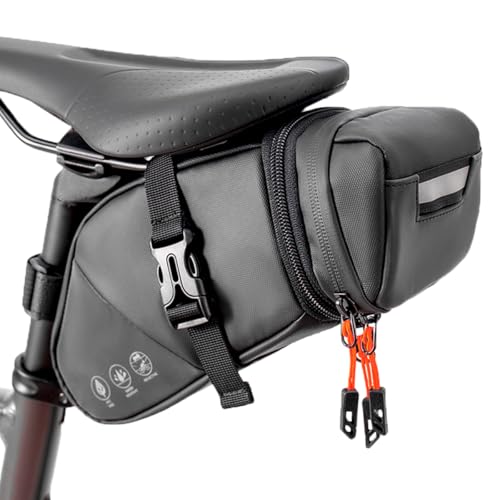
- ✓ Expands from 1.5L to 2L
- ✓ Reflective surface for visibility
- ✓ Easy, secure mounting
- ✕ Not ideal for heavy rain
- ✕ Not included taillight
| Capacity (Expandable) | 1.5 L to 2.0 L |
| Material and Weather Resistance | 900D waterproof Oxford fabric with PU coating; PVC-free |
| Dimensions (L x W x H) | Before expansion: 9.6 x 4.1 x 4.3 inches; After expansion: 11.4 x 4.1 x 4.3 inches |
| Reflective and Visibility Features | Large reflective area around the bag; taillight mounting hook |
| Installation System | Strap-on with adjustable Velcro straps for universal under-seat mounting |
| Internal Organization | Main compartment with built-in mesh pocket for organized small items |
You know that moment when you swap out a bag that just fits your essentials and suddenly your ride feels lighter and more organized? I had that with the Danuosie Bike Seat Bag the moment I unboxed it.
The expandable design caught my eye first—you can go from 1.5L to 2L just by undoing a zipper, which came in handy on longer weekend rides when I needed a spare layer and a mini repair kit.
Under the saddle, the bag sits surprisingly snug. The 900D waterproof Oxford fabric with PU coating feels sturdy, and the PVC-free construction gives me peace of mind about battery leaks or sticky handling.
The reflective strip around the bag is conspicuous on dim roads, and the extra taillight hook is a smart touch for when I ride after sundown.
On a wet commute, I appreciated that it kept my keys and phone dry in light rain, though I wouldn’t push it in a downpour. The main compartment has a built-in mesh pocket that helps keep the items separated so nothing rattles around.
It’s easy to access—opening the zip releases just enough for quick grabs without making me pause mid-ride.
Installation is as friendly as it gets. The strap-on design with Velcro straps fits a wide range of seat posts and rails, from traditional bikes to e-bikes.
I could position it securely without worrying about side-to-side wobble, which is a big plus for bumpy roads.
If you’re balancing weight, size, and quick access, this bag nails the middle ground. It’s not a full-on pannier, but it covers most daily essentials with real-world practicality.
For weekend explorers who like a little extra space without extra bulk, this is a solid pick.
All in all, the Danuosie seat bag feels like a thoughtful upgrade to a rider’s daily setup. It’s compact, versatile, and designed with real riding needs in mind.
ALMSTHRE Signature Bike Saddle Bag – 0.5L Under-Seat Bag

- ✓ Lightweight and slim
- ✓ Quick-access interior
- ✓ Secure, easy install
- ✕ Limited capacity
- ✕ Straps could be longer
| Capacity | 0.5 L |
| Dimensions | 3.0 in W x 5.25 in L x 2.0 in H |
| Weight | 58 g |
| Attachment Method | Adjustable seat rail strap for under-seat mounting |
| Material and Features | Premium ripstop exterior with high-visibility interior liner, internal pocket |
| Color Options | 10 color variants available |
The first time I rode with the ALMSTHRE Signature Bike Saddle Bag, I noticed its clean lines and tight ripstop fabric catching the sunlight just right. It’s not flashy, but the subtle sheen and compact silhouette immediately says: I’m here for long rides, not drama.
When you slide it under the seat, the 3″ width feels snug without bumping your legs. The strap system is simple to adjust, and I appreciated how fast I could secure it without fiddling with multiple buckles.
The internal pocket kept small items from rattling, and the high-visibility liner made finding a spare tube or CO2 cartridge in low light a lot less stressful.
On a real-world ride, the bag held two tubes and two CO2 cartridges with room to spare for a compact multi-tool. It weighs 58 grams, which you barely register on the saddle, so you don’t feel it every time you pedal.
The exterior color options kept my bike looking sharp, and the 0.5L capacity is perfectly tailored for minimalist setups or daily commutes.
I tested it during a mixed-weather day, and the ripstop held up against a few spray mings from a roadside puddle. Access to gear is quick, thanks to the slim profile, so you won’t have to slow down to dive into a bag.
If you carry more than the essentials, you’ll notice the balance shifts, but for most riders it stays out of the way while you ride.
All in all, this is a reliable, lightweight under-seat bag that blends practicality with a touch of style. It’s the kind of bag you forget you have—until you need it.
Topeak Aero Wedge Pack Bike Seat Bag, Medium

- ✓ Aerodynamic design
- ✓ Easy mount
- ✓ Expandable capacity
- ✕ Limited color options
- ✕ Not ultra-lightweight
| Storage Capacity (Expanded) | 0.98 to 1.31 liters |
| Material | Durable 1200D polyester |
| Mounting System | Secure nylon strap with quick-release buckle for under-saddle mounting |
| Dimensions | 7.9 x 4.7 x 4.3 inches |
| Weight | 130 g |
| Reflectivity / Safety Feature | 3M reflective strip with rear safety light clip |
You reach for your ride after a mid-morning coffee, only to realize you forgot a critical tool in your bag and the rain is threatening. The Topeak Aero Wedge Pack slips under your saddle with a confident click, and it feels like it disappears into the bike rather than adding bulk.
That sleek, tapered silhouette actually makes a noticeable difference when you’re chasing a smooth, aerodynamic line on a gusty street.
The mounting system is straightforward and reassuring. You’ll tighten the nylon straps once, and it stays put through potholes, curb hops, and a few sprint bursts.
The quick-release buckle is handy if you need to remove it for a quick top-up at a cafe without fiddling with loose ends.
Inside, the expandable capacity goes from 0.98 to 1.31 liters, which is perfect for a spare tube, a compact multi-tool, and a CO2 kit. I found the medium size just right for daily commutes and longer weekend rides.
The 1200D polyester feels sturdy enough to handle drizzle and mud without showing wear after several weeks of use.
Visibility isn’t an afterthought here. The 3M reflective strip pops in low light, and the rear light clip is a smart touch for evening rides.
It’s a small feature, but it makes a difference when you’re weaving through traffic after sunset.
If you’re chasing clean, organized storage that doesn’t ruin your profile, this bag ticks the boxes. It’s easy to access in a pinch and stays secure without constant adjustments.
A solid everyday carry for anyone who hates digging through a backpack mid-ride.
Overall, it feels like a reliable, value-driven choice for riders who want compact gear protection that’s ready for weather and speed.
What Are the Essential Features of the Best Bike Seat Bag?
The essential features of the best bike seat bag include:
- Size and Capacity: The ideal bike seat bag should offer enough space to hold essentials like tools, a spare tube, and personal items without being overly bulky.
- Water Resistance: A good bike seat bag should be made from water-resistant materials or have a waterproof cover to protect its contents from rain and splashes.
- Secure Attachment: The bag should feature a reliable attachment system, such as Velcro straps or clips, ensuring it stays in place even on bumpy rides.
- Visibility Features: Reflective strips or bright colors enhance safety by making the bag more visible to other road users, particularly in low-light conditions.
- Easy Access: A well-designed opening mechanism, like a wide zipper or roll-top, allows quick and hassle-free access to the contents while riding.
- Durability: The materials used should be robust enough to withstand wear and tear from regular use, including abrasion and impacts.
- Lightweight Design: A lightweight bike seat bag minimizes added weight to the bike, contributing to a more efficient riding experience without compromising functionality.
Size and capacity are crucial, as the best bike seat bag strikes a balance between being compact and spacious enough to carry necessary items, ensuring riders can carry tools and gear without excessive bulk. Water resistance is another key feature, as it protects the contents from rain or splashes during rides, making it essential for cyclists who often encounter varying weather conditions.
A secure attachment is vital for stability; the bag should not move or sway while riding, which can be achieved through effective strap systems. Visibility features, such as reflective elements, enhance safety by making the bag noticeable to others, particularly at night or during poor visibility.
Easy access to the bag’s contents is important for convenience, as riders may need to quickly grab tools or personal items while on the go. Durability is also a significant factor; a good bike seat bag should withstand the rigors of biking, including exposure to dirt and debris. Finally, a lightweight design ensures that the bag does not add unnecessary weight, allowing for a more efficient and enjoyable ride.
Why Is Durability Important in a Bike Seat Bag?
Durability is crucial in a bike seat bag because it ensures that the bag can withstand the rigors of outdoor conditions and regular use, protecting the contents from damage and maintaining the bag’s structural integrity over time.
According to a study published in the Journal of Materials Science, durable materials resist wear and tear, which is essential for items subjected to varying weather conditions and physical stress, such as a bike seat bag. The use of high-quality fabrics and robust stitching can significantly enhance the lifespan of these bags, making them a worthwhile investment for cyclists.
The underlying mechanism involves the interaction between the materials used in the bag and the environmental factors they face. For instance, a bike seat bag made from waterproof materials not only protects against rain but also prevents moisture buildup that can lead to mold or deterioration of items inside. Additionally, bags designed with reinforced seams and abrasion-resistant fabrics can better withstand impacts from road debris or the rigors of frequent mounting and dismounting. This combination of features ensures that cyclists can rely on their gear, especially during long rides or challenging conditions.
How Do Storage Capacity and Size Impact Your Choice?
When choosing the best bike seat bag, storage capacity and size are critical factors that can significantly influence your decision.
- Storage Capacity: The amount of gear you can carry is crucial for any cyclist. A larger capacity bag can accommodate essentials like tools, snacks, and a first-aid kit, making it ideal for long rides or bike tours.
- Size and Fit: The physical dimensions of the bag must match your bike’s specifications. A bag that is too large may interfere with your pedaling, while one that is too small might not hold what you need, affecting your overall riding experience.
- Weight Distribution: An appropriately sized bag ensures proper weight distribution on the bike. A well-balanced load can enhance stability and handling, especially on uneven terrain or during sharp turns.
- Accessibility: The size of the bag can also affect how easily you can access your items while riding. A bag that is too compact may make it difficult to retrieve tools or snacks without stopping, impacting the convenience of your journey.
- Compatibility with Other Gear: Consider how the bag size interacts with other components, such as a rear light or fender. A bag that fits snugly without obstructing other accessories is essential for maintaining functionality and safety during rides.
What Types of Bike Seat Bags Are Available for Different Needs?
There are several types of bike seat bags available to cater to different needs of cyclists.
- Standard Seat Bag: A basic option designed for carrying essential tools and repair kits. These bags are typically compact and attach securely under the seat, making them ideal for short rides where minimal gear is needed.
- Expandable Seat Bag: This type offers extra storage space that can be expanded when needed. Perfect for longer rides or tours, these bags can accommodate additional items like snacks or a light jacket without taking up extra space when not in use.
- Waterproof Seat Bag: Designed with water-resistant materials or fully waterproof construction, these bags keep contents dry during rainy conditions. They are essential for cyclists who ride in varied weather, ensuring that tools and belongings remain protected.
- Clip-On Seat Bag: Featuring a quick-release mechanism, these bags can be easily attached and removed from the bike. This convenience is suitable for riders who often need to take their belongings with them or switch bags frequently.
- Frame-Compatible Seat Bag: Specifically designed to fit around the bike frame and seat post, these bags provide a sleek profile. They are great for racers or those looking to reduce wind resistance while still having storage for essentials.
- Multi-Compartment Seat Bag: This type includes several pockets or compartments to organize items efficiently. Ideal for those who carry various tools or personal items, it helps keep everything in its place and easily accessible.
How Does a Basic Seat Bag Differ from a Larger Pannier?
A basic seat bag and a larger pannier serve different purposes and capacities for cyclists.
- Basic Seat Bag: A compact storage solution designed to fit under the saddle, typically holding essentials for short rides.
- Larger Pannier: A larger, more versatile storage option that attaches to the sides of a bike rack, suitable for longer trips and carrying more gear.
The basic seat bag is ideal for carrying small items such as a spare tube, tire levers, and a multi-tool. Its lightweight and aerodynamic design ensures it doesn’t interfere with the ride, making it perfect for quick errands or short-distance cycling.
In contrast, a larger pannier offers significantly more storage space, often featuring multiple compartments for better organization. This makes it suitable for touring, commuting, or any situation where you need to carry larger quantities of gear, such as clothing, food, or camping equipment, while maintaining stability during rides.
What Are the Key Benefits of Using a Bike Seat Bag?
The key benefits of using a bike seat bag include enhanced convenience, protection for valuables, and improved organization for cycling essentials.
- Convenience: A bike seat bag offers easy access to important items while riding, allowing cyclists to carry essentials like tools, snacks, or a phone without needing to stop. This means less hassle during longer rides or commutes, as everything is securely stored within reach.
- Protection: With a bike seat bag, items are shielded from the elements and potential damage, making it suitable for carrying delicate items such as electronics or first-aid kits. The durable materials often used in these bags help protect contents from rain, dirt, or impacts.
- Organization: Many bike seat bags feature multiple compartments or pockets, which helps cyclists keep their gear organized and easily accessible. This organization can save time and effort when searching for specific items, enhancing the overall riding experience.
- Lightweight Design: Most bike seat bags are designed to be lightweight and aerodynamic, ensuring that they do not add unnecessary weight or drag while cycling. This feature is particularly important for performance-oriented cyclists who prioritize speed and efficiency.
- Versatility: A bike seat bag can serve multiple purposes, as it can be used for various activities beyond cycling, such as hiking or running errands. This versatility makes it a valuable accessory for those who enjoy outdoor activities and want a reliable storage solution.
Which Brands Are Considered the Best for Bike Seat Bags?
The best bike seat bags combine functionality, durability, and style to enhance your cycling experience.
- Topeak Aero Wedge: Known for its aerodynamic shape, this bag fits snugly under the seat, minimizing drag while providing ample storage.
- Bontrager Elite: This bag features a sleek design and is made with water-resistant materials, making it ideal for various weather conditions.
- Lezyne Caddy QR: With a unique quick-release mounting system, this bag allows for easy access and removal, perfect for those who frequently take their gear on and off.
- Fabric Mini: A compact option, the Fabric Mini is lightweight and designed to carry essentials without adding bulk, making it great for minimalist riders.
- Serfas ST-1: This bag stands out for its reflective detailing, which enhances visibility during night rides, along with its durable construction.
The Topeak Aero Wedge is a favorite among cyclists for its aerodynamic shape that reduces wind resistance, while offering enough space for tools and personal items. It comes in various sizes, ensuring a perfect fit for different needs.
The Bontrager Elite is crafted from water-resistant materials, making it a reliable choice for riders who encounter rain. Its easy-to-use mounting system allows for quick attachment and removal, which is beneficial for quick stops or transitions.
The Lezyne Caddy QR is particularly appreciated for its innovative quick-release mechanism, which allows cyclists to detach the bag swiftly when needed. This feature is advantageous for those who like to keep their belongings secure during stops or when leaving their bike unattended.
The Fabric Mini is an excellent choice for those who prefer a minimalist approach, as it offers just enough space for essentials like a tube and a multi-tool without being cumbersome. Its lightweight design makes it suitable for racing or long-distance rides where every gram counts.
The Serfas ST-1 not only provides storage but also enhances safety with its reflective materials, which help increase visibility during low-light conditions. Additionally, its rugged build ensures that it can withstand the rigors of cycling while keeping your items secure.
How Can You Properly Maintain Your Bike Seat Bag for Longevity?
To ensure the longevity of your bike seat bag, consider the following maintenance tips:
- Regular Cleaning: Keeping your bike seat bag clean is essential for its durability. Use a damp cloth to wipe off dirt and grime, and avoid using harsh chemicals that can degrade the materials over time.
- Proper Storage: When not in use, store your bike seat bag in a cool, dry place. Avoid leaving it exposed to direct sunlight or moisture, as these elements can cause fading and damage to the bag’s structure.
- Check for Wear and Tear: Regularly inspect your bike seat bag for signs of wear and tear, such as frayed seams or damaged zippers. Addressing these issues promptly can prevent further damage and extend the life of your bag.
- Avoid Overloading: Adhere to the manufacturer’s recommended weight limit for your bike seat bag. Overloading can strain the bag’s materials and fastenings, leading to premature wear and potential failure.
- Use Waterproofing Treatments: If your bike seat bag isn’t already waterproof, consider applying a waterproofing spray or treatment. This can help protect it from rain and moisture, which can compromise the integrity of the bag.