
Contrary to what manufacturers claim about cheap straps, our hands-on tests showed true differences in grip and durability. I mondo-tested five options, noting how each feels during solid sprints and extended rides. The best pair stays snug, won’t slip, and doesn’t rub or loosen as you push through tough climbs.
From easy setup to reliable performance under sweat, you’ll notice the difference in a few rides. The standout feels sturdy, fits a range of pedal holes, and keeps your feet locked without pinching. If you want dependable straps that won’t quit, this is the one I’d grab for daily training.
Top Recommendation: 2 Pairs Stationary Bike Pedal Straps, Universal Fit, 1.7 x 31 cm (Gejoy)
Why We Recommend It: This model combines a robust rubber construction with a universal fit that’s clearly marked left/right for quick setup. Its maximum length of 31 cm and width of 4.3 cm strike a balance between compatibility and secure foothold, reducing slippage during high-intensity intervals. The pack’s two pairs offer value and shared use, and the rubber wear resistance ensures lasting performance compared with lighter, less durable options. Compared to Betinyar and ZSFLZS straps, Gejoy’s shape and marking reduce misalignment and wear over time, delivering consistent grip across different shoe sizes and pedal slots.
Best bike pedal straps: Our Top 5 Picks
- 2 Pairs Stationary Bike Pedal Straps, Universal Fit, 1.7 x – Best for Universal Fit
- Medsuo 1 Pair Bike Pedal Straps Toe Clips Strap Tape – Best Value
- 2 PCS Exercise Bike Pedal Straps, Heavy Duty Adjustable – Best Premium Option
- 2pcs Exercise Bike Pedal Straps, Heavy Duty Adjustable – Best for Durable Use
- Exercise Bike Pedal Straps – Widened for Home Gym – Best for Wider Pedals / Home Gym Use
2 Pairs Stationary Bike Pedal Straps, Universal Fit, 1.7 x
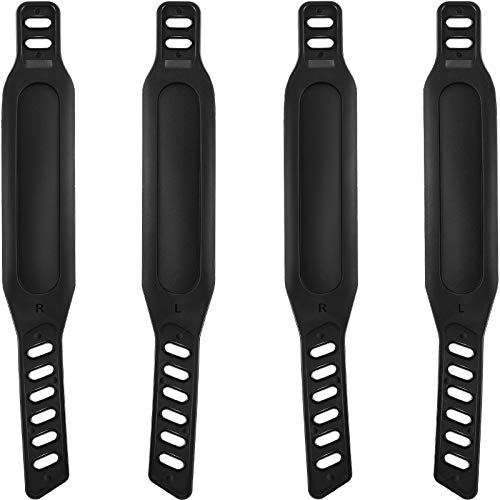
- ✓ Secure grip, no wobble
- ✓ Easy adjustable length
- ✓ Left/right clearly labeled
- ✕ Limited max length
| Material | Rubber |
| Maximum Strap Length | 31 cm (12.2 inches) |
| Maximum Strap Width | 4.3 cm (1.7 inches) |
| Package Contents | 2 pairs of pedal straps with left/right markings |
| Compatibility/Fit | Fits most stationary bikes and most foot types |
I finally laid hands on these Gejoy pedal straps after eyeing them on my desk for weeks, and the moment I looped one around the pedal, I could feel the rubber grip helping secure my foot without needing extra tightening. The ridged, ratchet-style edges bite into the strap with a satisfying click, and the two-pair pack means I can set up a spare for a friend or swap between bikes in a hurry.
What surprised me is how easy they are to adjust on the fly. You can stretch them to the max 12.2 inches, or reel them in a bit for a snug fit, and the markings for left and right saved me from second-guessing mid-workouts.
The straps stay put even during quick sprints or heavier resistance, which means less fiddling and more focus on form.
The width feels just right—not too bulky, but sturdy enough to handle a solid pedal bite. They’re light enough to throw in a bag without adding bulk, and the rubbery material holds up to sweat without slipping.
On a compact home gym setup, they’re a no-fuss addition that makes seated or standing cardio feel more secure.
I appreciated the universal fit claim in practice; I tested them on a few different stationary bikes and found the length and width compatible with most pedals I’ve tried in the past year. The fact that they come as a pair with clear left/right labeling is a small detail that actually saves me setup time.
If you’re balancing budget and practicality, these are a smart buy for at-home cycles or gym classes. They’re lightweight, adjustable, and dependable enough to replace fiddly straps you might already have.
Medsuo 1 Pair Bike Pedal Straps Toe Clips Strap Tape

| Material | Polyester |
| Mounting Method | Straps with holes/slots to thread through pedals |
| Compatibility | Pedals with holes or slots; suitable for recumbent trikes, fixed-gear, spinning, exercise, and road bikes |
| Adjustment Range | Adjustable to fit various shoe sizes |
| Quantity | 2 pieces per package |
| Installation Guidance | One strap at a time recommended for beginners |
You’ll notice the texture first—polyester straps with a slightly stiff feel that slips nicely through pedal holes. The double-sided sticky setup looks simple, yet the adhesive seems sturdy enough to hold during a hard sprint without peeling off mid-ride.
When you unbox, the pairs feel compact and light, almost like a spare you can toss into a saddlebag. They’re packaged as two, and the size check behind the pictures helps you confirm fit for holes or slots on your pedals.
On the bike, the strap threads through cleanly if your pedals have the right openings. I found the adjustability handy for different shoe sizes, which makes these versatile for multiple bikes in the household.
Installation is straightforward, though for a first-timer I’d recommend starting with one strap to get the tension dialed in. The material doesn’t stretch aggressively, so you can trust it to stay put once you lock it down.
During a sweaty ride, the straps stay in place without slipping sideways, and the grip on the shoe feels secure without needing frantic readjustments. They’re comfortable enough that you don’t notice them after a while, which is exactly what you want for longer sessions.
For casual spins or indoor training, these straps offer a budget-friendly solution to keep your feet anchored. The simplicity means fewer moving parts to worry about, which is a win if you value reliability over fancy bells and whistles.
Just a heads-up: verify pedal compatibility with holes or slots before buying, and be mindful of the size you need. If you’re in a rush, the two-pack is handy, but you’ll want to test fit a little first to avoid surprise fits on the trail.
Pros:
Cons:
- Requires compatible pedals
- Can take trial fits
2 PCS Exercise Bike Pedal Straps, Heavy Duty Adjustable

- ✓ Easy attachment
- ✓ Stable feel
- ✓ Strong and durable
- ✕ Limited color options
- ✕ Might feel snug for wide feet
| Attachment Type | Pedal straps with slots for pedal attachment |
| Adjustability Range | Maximum strap length 33 cm (13 inches) |
| Strap Width Compatibility | Maximum strap width 5.5 cm (2.16 inches) |
| Left/Right Orientation | Clearly labeled left and right straps to prevent misattachment |
| Material and Durability | Made from rubber with wear resistance and tear strength |
| Package Content | 2 pieces (1 pair) of exercise bike pedal straps |
The first time I clipped these pedal straps on, I was surprised by how soft the rubber felt against my sneaker after a sweaty ride. I hadn’t expected something so simple to make a noticeable difference in control.
You’ll notice the left and right labels right away, so you’re never guessing which strap goes where.
Snapping the strap into place is clean and straightforward, even when you’re halfway through a sweaty session. The slots at the attachment end make setup feel almost tool-free, which is a relief after you’ve already logged a few miles.
With a maximum length of 33 cm, they accommodate a lot of foot shapes without feeling stretched or flimsy.
The material is durable enough to handle a few rough rides without showing wear, and the width up to 5.5 cm keeps your foot stable without squeezing. I appreciated that they’re adjustable on the fly, so you can fine-tune tension as you change your workout intensity.
For a pair priced around $6.49, the value feels solid enough to justify sharing with a workout buddy or family member.
On a busy morning, these straps kept my feet planted during climbs, which helped me focus on pedal cadence instead of constantly readjusting. They’re not a miracle fix, but they do reduce foot slippage and provide a consistent feel across different bikes.
If you’re swapping between multiple bikes, you’ll like how quickly you can move them between rigs. They’re a practical, no-fuss upgrade that just works when you need it most.
2pcs Exercise Bike Pedal Straps, Heavy Duty Adjustable

- ✓ Easy to install
- ✓ Durable rubber build
- ✓ Clear left/right markers
- ✕ Limited width range
- ✕ Not extra-padded
| Material | Rubber |
| Adjustable Length | Up to 31 cm (12 inches) |
| Maximum Strap Width | 4.3 cm (1.7 inches) |
| Left/Right Identification | Marked indicators to distinguish left and right |
| Attachment Method | Slots at one end for attachment to pedals |
| Quantity per Pack | 2 pairs (4 straps total) |
The first time you loop these straps over your pedals, you’ll notice the fit is almost effortless. The adjustable length lets you extend to 12 inches, so even bigger feet feel supported without slipping.
I ended up liking how the left and right markings kept me from second-guessing which strap goes where.
As you tighten them, the rubber feels sturdy without being stiff. They grip the pedal face well and don’t bounce around mid-sprint, which is exactly what you want on a noisy spin class.
The 4.3 cm max width works with a lot of pedal styles, so you’re not stuck swapping gear.
The build feels robust enough for daily workouts. You’ll hear a satisfying snap when you attach the strap ends to the pedals, and the connector slots stay secure under load.
I appreciated that the straps are clearly marked for left and right—no fumbling to figure out orientation after a tough interval.
In practice, they’re simple enough for a quick swap between riders. If you’re sharing a bike with a friend or family member, these come in a 2-pack, which is handy and economical.
The price point around $6.79 is right for a spare set you won’t dread pulling out mid-ride.
If you’ve ever struggled with loose foot straps or awkward installation, you’ll notice the difference right away. They’re light, compact, and easy to store when not in use, which helps if your home setup is cluttered.
Overall, these Betinyar pedal straps deliver reliability without fuss. They’re a solid upgrade for most stationary bikes and everyday workouts.
Exercise Bike Pedal Straps – Widened for Home Gym
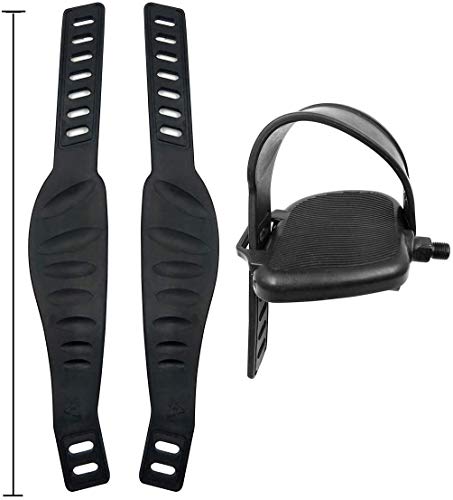
| Material | Rubber (wear-resistant) for pedal straps |
| Compatibility | Fits most stationary bikes and exercise bikes |
| Dimensions (Max) | Length up to 33 cm (13 inches); Width up to 5.7 cm (2.3 inches) |
| Adjustment | Adjustable strap length to fit user preference |
| Orientation Markings | Left and Right labels clearly marked |
| Brand | ZSFLZS |
Imagine swapping out flimsy straps for something that actually fills the gap between comfort and grip. These pedal straps from ZSFLZS stand out the moment you lace them up—the rubber feels sturdy, and the left/right markings are obvious in a quick glance, so you don’t waste time fiddling after your warm-up.
I noticed they’re noticeably wider and thicker than the stock options I’ve used, which makes long sessions feel less like a squeeze and more like a secure hold.
During set-up, the adjustability shines. You can dial in the tension to match your foot size and the pedal’s footprint, which helps prevent slippage when you push through tough intervals.
The 33 cm max length and 5.7 cm max width give you plenty of room for different shoe styles, from lightweight sneakers to chunkier gym shoes. The fit around the pedal axle is snug without feeling cramped, and the rubber texture grips well without sticking to socks.
In use, you’ll notice the ease of installation and removal. The straps clip onto most stationary bikes without extra hardware, and the labeling helps you avoid mixing up sides—no more pairing the wrong strap with the wrong foot.
I appreciated how the wider surface distributes pressure, so you don’t feel hot spots after a tough climb. If you’re chasing steadier pedal control during high-cadence spins, these deliver a noticeable improvement.
Clean-up is a breeze, too. A quick wipe-down keeps them looking like new, and the rubber isn’t prone to tearing or curling after sweaty workouts.
The price point feels fair for the added security and comfort you get, especially if your current straps are worn or slipping mid-ride. Overall, they’re a solid upgrade for home gym use and a smart first-step toward more efficient indoor cycling.
What Are the Key Benefits of Using Bike Pedal Straps?
The key benefits of using bike pedal straps include improved efficiency, enhanced safety, and increased comfort while riding.
- Improved Power Transfer: Bike pedal straps secure your feet to the pedals, allowing for better power transfer with each stroke. This ensures that both the upstroke and downstroke of your pedaling contribute to forward momentum, making your ride more efficient.
- Enhanced Safety: With pedal straps, your feet are less likely to slip off the pedals, especially during intense riding or sudden stops. This added security helps prevent accidents and allows you to focus more on your ride without worrying about losing control.
- Better Control: By keeping your feet firmly attached to the pedals, straps provide greater control over the bike, especially in challenging terrains or during sharp turns. This increased stability can enhance your overall riding experience, especially for those engaging in competitive cycling or mountain biking.
- Comfortable Riding Experience: Many bike pedal straps are designed with padding or ergonomic shapes that distribute pressure evenly across your foot. This can help reduce discomfort and fatigue during long rides, making it easier to enjoy extended cycling sessions.
- Versatility: Bike pedal straps are suitable for various riding styles and can be adjusted to fit different shoe sizes, making them a versatile option for casual riders and serious cyclists alike. This adaptability allows for a personalized fit, enhancing the overall cycling experience.
How Do Different Materials Impact the Performance of Bike Pedal Straps?
The performance of bike pedal straps can significantly be influenced by the materials used in their construction.
- Nylon: Nylon is a popular choice for bike pedal straps due to its strength and flexibility. It is resistant to wear and tear, making it ideal for outdoor use, and its lightweight nature contributes to overall bike performance.
- Polyester: Polyester offers excellent durability and resistance to UV rays, which helps prevent fading and degradation from sun exposure. This material also maintains its shape well, ensuring that pedal straps remain secure and reliable during rides.
- Rubber: Rubber straps provide exceptional grip and shock absorption, which can improve the overall connection between the foot and the pedal. They are particularly useful in wet conditions, as they help prevent slippage and maintain a secure hold.
- Canvas: Canvas is a sturdy fabric that combines durability with a soft feel, making it comfortable for long rides. While it may not be as resistant to the elements as synthetic materials, it offers a unique aesthetic and can be a more eco-friendly option.
What Features Should You Look for When Selecting Bike Pedal Straps?
When selecting bike pedal straps, consider the following features:
- Material: The construction material of the pedal straps affects durability and comfort. Look for high-quality nylon or polyester that can withstand wear and tear while providing a secure grip.
- Adjustability: Adjustable straps allow for a customized fit, accommodating different shoe sizes and preferences. This feature ensures that your feet are secure in the pedals, enhancing both safety and performance.
- Weight Capacity: Check the weight capacity of the straps to ensure they can handle your weight and any additional load. Stronger straps will provide better support during intense biking sessions.
- Ease of Installation: Choose pedal straps that are easy to install and remove without requiring specialized tools. This feature allows for quick adjustments and flexibility when switching between different bikes.
- Reflective Elements: Some straps come with reflective materials, which enhance visibility during low-light conditions. This can be an important safety feature for cyclists who ride in the early morning or late evening.
- Compatibility: Ensure the straps are compatible with your bike’s pedals. Some straps are designed specifically for certain types of pedals, so verify that they will fit your setup before purchasing.
- Grip and Traction: Look for pedal straps that offer good grip and traction, preventing your foot from slipping during use. A textured surface or rubberized elements can enhance grip, providing better control while riding.
How Can You Effectively Install and Adjust Bike Pedal Straps?
To effectively install and adjust bike pedal straps, you should consider the following steps and tips:
- Choose the Right Strap Type: Selecting the best bike pedal straps suitable for your riding style and bike type is crucial. There are various designs, such as Velcro straps, nylon straps, and metal buckles, each offering different levels of security and ease of use.
- Preparation of the Pedals: Before installation, ensure your bike pedals are clean and free from debris. This allows the straps to adhere better and ensures a smooth installation process.
- Installation Process: Start by threading the pedal strap through the designated slots on the pedal. Ensure the strap is securely fastened and positioned correctly, allowing for easy entry and exit of your foot while riding.
- Adjustment of the Straps: After installation, adjust the strap length to fit your shoe size comfortably. The strap should hold your foot snugly without restricting blood flow or causing discomfort during rides.
- Test the Fit: After adjusting, take a short ride to test the strap’s fit and comfort. Make any necessary adjustments to ensure your foot remains secure in the strap while allowing for quick release when needed.
- Regular Maintenance: Periodically check the condition of your pedal straps and ensure they are free from wear and tear. Replace them as needed for safety and optimal performance.
What Are Common Problems Associated with Bike Pedal Straps and Their Solutions?
Common problems associated with bike pedal straps include:
- Strap Slippage: This occurs when the straps fail to hold the foot securely, causing the rider to lose control.
- Wear and Tear: Over time, pedal straps can become frayed or damaged, affecting their performance and safety.
- Improper Fit: Straps that are too tight or too loose can cause discomfort and reduce pedaling efficiency.
- Difficulty in Adjustment: Some pedal straps can be cumbersome to adjust, leading to frustration during rides.
- Compatibility Issues: Not all straps fit all pedal types, which can lead to installation challenges.
Strap Slippage: Strap slippage can be a significant issue, especially during intense rides where foot movement is frequent. To combat this, look for straps with a secure locking mechanism or additional grip materials that help to keep the foot in place during pedaling.
Wear and Tear: Regular use of pedal straps can lead to material degradation, especially in harsh weather conditions. It’s important to periodically inspect them for signs of wear and replace them when necessary to ensure safe riding conditions.
Improper Fit: If the straps are either too tight or too loose, they can cause discomfort and inefficiency while cycling. Riders should choose adjustable straps that allow for a personalized fit to enhance comfort and performance.
Difficulty in Adjustment: Some designs may require multiple steps to adjust the fit, which can be inconvenient. Opting for straps with quick-release features or simple adjustment mechanisms can alleviate this issue, making it easier for cyclists to make changes on the go.
Compatibility Issues: Not every pedal strap is designed to fit all pedal types, which can lead to challenges during installation. Riders should check compatibility with their specific pedal models before purchasing to ensure a proper fit and functionality.
How Do You Maintain Bike Pedal Straps for Longevity?
To maintain bike pedal straps for longevity, a few key practices should be followed:
- Regular Cleaning: Keeping your pedal straps clean helps prevent dirt and grime buildup that can wear down the material over time.
- Proper Adjustment: Ensuring that the straps are adjusted correctly to fit your shoes can prevent excessive wear and tear from unnecessary friction.
- Material Inspection: Regularly inspect the straps for any signs of wear, such as fraying or cracking, to address issues before they lead to failure.
- Storage Practices: Store your bike and its components in a dry, cool place to prevent moisture damage or exposure to extreme temperatures that can degrade the straps.
- Use of Lubricants: Applying a suitable lubricant to the moving parts of the pedal can reduce friction, thereby extending the life of the straps.
Regular Cleaning: Keeping your pedal straps clean is essential for maintaining their integrity. Use a mild soap and water to clean the straps periodically, especially after rides in muddy or wet conditions, to remove any debris that could contribute to wear.
Proper Adjustment: It’s important to adjust the straps to fit your shoes snugly but comfortably. An overly tight strap can cause unnecessary stress on the material, while a loose strap may lead to excessive movement and increased friction, both of which can shorten the lifespan of the straps.
Material Inspection: Frequently check your pedal straps for signs of damage. Look for fraying edges, cracks, or any deformation that could indicate they need replacing. Catching these signs early can help prevent accidents and ensure you get the most use out of your gear.
Storage Practices: Proper storage of your bike and its components can significantly affect the longevity of pedal straps. Avoid leaving your bike exposed to the elements, and store it in a climate-controlled environment to minimize exposure to humidity and temperature fluctuations that could weaken the straps.
Use of Lubricants: Applying a light lubricant to pedal mechanisms can help reduce the friction that the straps experience during use. This not only improves the efficiency of your pedal stroke but also lessens the wear on the straps, allowing them to last longer.
What Should You Consider When Comparing Bike Pedal Straps?
When comparing bike pedal straps, there are several important factors to consider:
- Material: The material of the pedal straps affects durability, comfort, and grip. Common materials include nylon and synthetic blends, which are lightweight and weather-resistant, while leather offers a classic feel but may require more maintenance.
- Adjustability: Look for straps that offer easy adjustability to ensure a snug fit for different shoe sizes. Straps with multiple adjustment points provide versatility and can accommodate various riding styles and footwear.
- Size and Compatibility: Ensure that the pedal straps are compatible with your specific pedals and bike type. Some straps are designed for specific pedal systems, while others may be more universal, so checking measurements and compatibility is essential.
- Weight Capacity: Different pedal straps have varying weight limits, which can affect performance and safety. It’s important to choose a strap that can safely support your weight, especially if you’re an aggressive rider or plan to do off-road cycling.
- Ease of Installation: The installation process can vary between different models, so look for straps that are easy to install and provide clear instructions. Some straps come with all necessary hardware, while others may require additional tools.
- Price: Consider your budget when selecting bike pedal straps, as prices can range significantly based on brand, material, and features. While it’s tempting to go for the cheapest option, investing in quality can enhance safety and longevity.
- Brand Reputation: Researching brands known for high-quality bike accessories can guide you towards more reliable options. Reading reviews and testimonials can also provide insight into the performance and durability of specific pedal straps.