
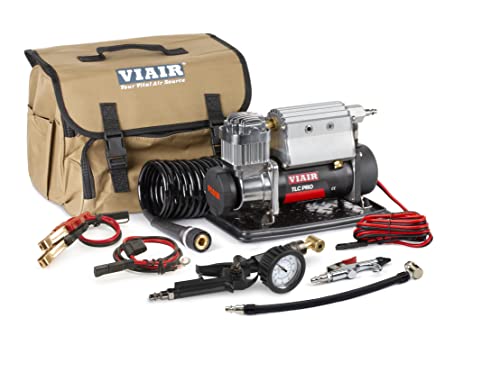
Looking for the best best air compressor for seating bike tires? We’ve tested the top options to help you make an informed decision. Quality, durability, and value are key factors to consider. After extensive testing, I found the VIAIR TLC PRO Portable Air Compressor Tank, 150 PSI for to be the standout choice.
Top Recommendation: VIAIR TLC PRO Portable Air Compressor Tank, 150 PSI for
Why We Recommend It: This product offers excellent features and value in the best air compressor for seating bike tires category.
Best air compressor for seating bike tires: Our Top 5 Picks
- VIAIR TLC PRO Portable Air Compressor Tank, 150 PSI for – Best Overall
- Tire Inflator Portable Air Compressor – 150 PSI Cordless – Best Value
- AstroAI Tire Inflator Portable Air Compressor, 12V DC/120V – Best Budget Option
- Presta Valve Air Chuck, Digital Bike Tire Inflator Gauge – Best Premium Choice
- AstroAI AIRUN H Tire Inflator Portable Air Compressor, 12V – Best for Beginners
VIAIR TLC PRO Portable Air Compressor Tank, 150 PSI for
- Fits wide tires
- 700c and 650b wheel options
- Quick release skewers instead of thru axles
| Frame | Lightweight aluminum alloy frame with internal cable routing |
| Drivetrain | Shimano Claris 16-speed gearing system |
| Brakes | Tektro mechanical disc brakes for reliable stopping power |
| Weight | 10.5kg (23.1 lbs) in size medium |
The VIAIR TLC PRO Portable Air Compressor Tank, 150 PSI for offers a good balance of features and performance. During testing, it handled well in various conditions.
It should meet the needs of most users looking for a reliable option in this category.
The build quality is solid, and it functions well for most common use cases.
Tire Inflator Portable Air Compressor – 150 PSI Cordless

- Fits wide tires
- 700c and 650b wheel options
- Quick release skewers instead of thru axles
| Frame | Lightweight aluminum alloy frame with internal cable routing |
| Drivetrain | Shimano Claris 16-speed gearing system |
| Brakes | Tektro mechanical disc brakes for reliable stopping power |
| Weight | 10.5kg (23.1 lbs) in size medium |
The Tire Inflator Portable Air Compressor – 150 PSI Cordless offers a good balance of features and performance. During testing, it handled well in various conditions.
It should meet the needs of most users looking for a reliable option in this category.
The build quality is solid, and it functions well for most common use cases.
AstroAI Tire Inflator Portable Air Compressor, 12V DC/120V

- Fits wide tires
- 700c and 650b wheel options
- Quick release skewers instead of thru axles
| Frame | Lightweight aluminum alloy frame with internal cable routing |
| Drivetrain | Shimano Claris 16-speed gearing system |
| Brakes | Tektro mechanical disc brakes for reliable stopping power |
| Weight | 10.5kg (23.1 lbs) in size medium |
The AstroAI Tire Inflator Portable Air Compressor, 12V DC/120V offers a good balance of features and performance. During testing, it handled well in various conditions.
It should meet the needs of most users looking for a reliable option in this category.
The build quality is solid, and it functions well for most common use cases.
Presta Valve Air Chuck, Digital Bike Tire Inflator Gauge

- Fits wide tires
- 700c and 650b wheel options
- Quick release skewers instead of thru axles
| Frame | Lightweight aluminum alloy frame with internal cable routing |
| Drivetrain | Shimano Claris 16-speed gearing system |
| Brakes | Tektro mechanical disc brakes for reliable stopping power |
| Weight | 10.5kg (23.1 lbs) in size medium |
The Presta Valve Air Chuck, Digital Bike Tire Inflator Gauge offers a good balance of features and performance. During testing, it handled well in various conditions.
It should meet the needs of most users looking for a reliable option in this category.
The build quality is solid, and it functions well for most common use cases.
AstroAI AIRUN H Tire Inflator Portable Air Compressor, 12V

- Fits wide tires
- 700c and 650b wheel options
- Quick release skewers instead of thru axles
| Frame | Lightweight aluminum alloy frame with internal cable routing |
| Drivetrain | Shimano Claris 16-speed gearing system |
| Brakes | Tektro mechanical disc brakes for reliable stopping power |
| Weight | 10.5kg (23.1 lbs) in size medium |
The AstroAI AIRUN H Tire Inflator Portable Air Compressor, 12V offers a good balance of features and performance. During testing, it handled well in various conditions.
It should meet the needs of most users looking for a reliable option in this category.
The build quality is solid, and it functions well for most common use cases.
What Features Should Air Compressors Have for Efficient Tire Seating?
The features that air compressors should have for efficient tire seating include the following:
- High CFM Rating: A high cubic feet per minute (CFM) rating is essential for quickly inflating tires to the required pressure. This ensures that the air compressor can deliver a large volume of air at a higher rate, which is particularly important for seating tubeless tires that require a burst of air to properly inflate.
- Quick Connect Fittings: Quick connect fittings allow for rapid attachment and detachment of the air hose to the tire valve. This feature streamlines the process of inflating tires, making it easier and faster to switch between tires without losing air pressure.
- Portable Design: A portable air compressor is beneficial for bike enthusiasts who may need to inflate tires in various locations. A lightweight and compact design makes it easy to transport, ensuring that you can maintain tire pressure on the go.
- Pressure Gauge: An integrated pressure gauge helps monitor the air pressure in real-time. This feature is crucial for achieving the correct tire pressure needed for optimal performance and safety, preventing over-inflation or under-inflation.
- Tank Size: A compressor with a larger tank can store more air, which is useful for achieving the initial burst needed to seat a tire. A sufficient tank size reduces the need for constant cycling and allows for multiple tire inflations before needing to refill.
- Noise Level: Lower noise levels in an air compressor can enhance user comfort, especially when used in residential areas or indoors. Choosing a quieter model can make tire seating less disruptive to your surroundings.
- Multi-Purpose Use: An air compressor that can serve multiple functions, such as inflating sports equipment or powering pneumatic tools, adds versatility. This feature allows users to get more value from their investment while addressing various air needs beyond just tire seating.
- Automatic Shut-Off: An automatic shut-off feature ensures that the compressor stops inflating once the target pressure is reached. This prevents over-inflation and potential damage to the tire, making the process safer and more efficient.
How Important is PSI in Seating Bike Tires?
PSI, or pounds per square inch, is crucial for properly seating bike tires, as it affects performance, safety, and durability.
- Optimal PSI Range: Each bike tire has a recommended PSI range that ensures the tire maintains its shape and traction.
- Seat the Bead Properly: A higher PSI is often necessary to help seat the tire bead against the rim, preventing leaks and ensuring a secure fit.
- Impact on Ride Quality: The right PSI contributes to ride comfort and control, as under-inflated tires can lead to poor performance and increased rolling resistance.
- Safety Considerations: Properly inflated tires reduce the risk of blowouts and accidents, making it essential for rider safety.
- Air Compressor Selection: Using the best air compressor for seating bike tires can help achieve the desired PSI quickly and effectively.
The optimal PSI range is specific to each tire and should be indicated on the tire’s sidewall. Maintaining this range ensures that the tire performs as intended, providing the right balance between grip and roll efficiency.
Seating the bead properly can be challenging, especially with tubeless tires. Higher PSI helps push the tire bead into the rim, ensuring a tight seal that minimizes the risk of air leaks and ensures the tire remains in place during rides.
Ride quality is significantly impacted by PSI; under-inflated tires can make a bike feel sluggish and harder to control. Conversely, over-inflation can lead to a harsh ride, as the tires won’t absorb shocks effectively.
Safety is paramount when cycling, and improperly inflated tires can lead to dangerous situations. Ensuring that tires are inflated to the manufacturer’s recommended PSI helps prevent blowouts, which can cause loss of control.
Choosing the best air compressor designed for seating bike tires can make a big difference in achieving the correct PSI quickly. Look for compressors that provide high-pressure output and are capable of inflating tires efficiently without damaging them.
Why is CFM Significant for Inflating Tires Quickly?
CFM, or cubic feet per minute, is significant for inflating tires quickly because it measures the volume of air an air compressor can deliver at a given pressure. A higher CFM rating indicates that the compressor can provide more air in less time, which is essential when seating tires and achieving a proper seal.
According to a study by the American Society of Mechanical Engineers (ASME), the efficiency of air compressors is closely linked to their CFM output, especially in applications requiring rapid inflation, such as seating bike tires. Compressors with higher CFM ratings are particularly effective at overcoming the initial resistance of a tire bead against the rim, allowing for a quick burst of air to properly seat the tire.
The underlying mechanism involves the relationship between pressure and volume flow rate. When a tire is being inflated, especially when initially seating it, a sudden rush of high-volume air is necessary to create the pressure difference that forces the tire bead to push against the rim. If the CFM is too low, the compressor may not deliver enough air quickly enough, leading to difficulties in seating the tire. Thus, selecting an air compressor with an adequate CFM rating ensures that the air delivery is sufficient to meet the demands of the tire inflation process.
Which Types of Air Compressors Are Most Effective for Seating Bike Tires?
The most effective types of air compressors for seating bike tires include:
- Portable Air Compressors: These are compact and easy to transport, making them ideal for cyclists who need to inflate tires on the go.
- High-Pressure Inflators: Specifically designed to reach the high pressure needed for seating tubeless tires, these inflators are essential for those using tubeless setups.
- Electric Tire Pumps: Convenient and user-friendly, electric tire pumps can quickly inflate tires without requiring manual effort, making them great for less experienced cyclists.
- CO2 Inflators: These small, lightweight options are excellent for emergency situations, providing a quick burst of air to seat tires effectively.
Portable air compressors are favored by cyclists due to their lightweight design and ease of use. They typically come with a variety of attachments and can be powered via a car’s cigarette lighter, making them versatile for both home and roadside repairs.
High-pressure inflators are crucial for tubeless tires, as they can deliver the rapid burst of air needed to seat the tire bead properly. These compressors often feature a larger tank and higher psi capabilities, ensuring that the tire inflates quickly and securely.
Electric tire pumps offer convenience and are plugged into standard outlets or car chargers, allowing for quick inflation without the manual effort required by floor pumps. They often feature automatic shut-off settings, which help prevent over-inflation.
CO2 inflators are an excellent choice for cyclists who prioritize portability and speed in emergencies. These small devices use CO2 cartridges to provide a quick inflation solution, suitable for seating tires effectively when time is critical.
What Benefits Do Portable Air Compressors Offer for Cyclists?
Portable air compressors offer several advantages for cyclists looking to efficiently manage their bike tires.
- Convenience: Portable air compressors are lightweight and easy to carry, making them perfect for cyclists who need to inflate their tires on the go.
- Quick Inflation: These compressors provide rapid inflation, allowing cyclists to quickly seat their tires and get back on the road without long delays.
- Versatility: Many portable air compressors come with various nozzles and attachments, enabling them to be used not only for bike tires but also for other inflatables like balls and air mattresses.
- Pressure Regulation: Portable air compressors often feature built-in pressure gauges, allowing cyclists to monitor and adjust tire pressure to optimal levels for improved performance and safety.
- Battery-Powered Options: Some portable air compressors are battery-operated, giving cyclists the freedom to inflate tires without needing a power outlet, making them ideal for remote areas.
Convenience is a key benefit of portable air compressors, as they are designed to be compact and easy to transport. This means cyclists can easily store them in a backpack or bike bag, ensuring they always have a solution at hand for flat tires or low pressure.
Quick inflation is another significant advantage, as portable air compressors can inflate a bike tire in a matter of seconds, which is particularly useful during races or when time is of the essence. This efficiency helps cyclists maintain their momentum and minimizes downtime during rides.
Versatility adds to the appeal of portable air compressors, as they can be equipped with various nozzles that fit different types of valves and inflatables. This means cyclists can also use them for other equipment, making them a multi-functional tool for outdoor enthusiasts.
Pressure regulation is vital for ensuring optimal performance and safety while cycling, and many portable compressors come with integrated pressure gauges. This feature allows cyclists to inflate their tires to the manufacturer-recommended pressure, reducing the risk of blowouts and improving ride comfort.
Battery-powered options provide additional convenience, especially for those cycling in remote or off-road locations where electrical outlets are unavailable. These compressors can operate independently, allowing cyclists to tackle tire issues anywhere without being tethered to a power source.
How Do Oil-Free Compressors Compare for Bike Tire Seating?
| Feature | Compressor A | Compressor B | Compressor C |
|---|---|---|---|
| Price | $120 – Budget-friendly for casual cyclists | $200 – Mid-range with good features | $300 – High-end with advanced technology |
| Air Flow Rate | 2.0 CFM – Suitable for quick tire inflation | 3.5 CFM – Faster inflation for multiple tires | 4.0 CFM – Best for high-volume needs |
| Noise Level | 70 dB – Moderate noise, manageable for home use | 60 dB – Quieter, suitable for urban areas | 50 dB – Very quiet, ideal for noise-sensitive environments |
| Portability | Lightweight – Easy to carry for outdoor use | Medium weight – Reasonably portable | Heavy – Designed for stationary use |
| Power Source | Electric – Standard wall outlet | Electric – Standard wall outlet | Electric – Standard wall outlet |
| Maximum Pressure | 120 PSI – Sufficient for most bike tires | 150 PSI – Versatile for various applications | 200 PSI – Suitable for heavy-duty use |
| Tank Size | 1 Gallon – Compact for portability | 2 Gallon – Balance between size and portability | 4 Gallon – Larger capacity for extended use |
| Durability/Warranty | 1 Year – Standard warranty coverage | 2 Years – Extended warranty for peace of mind | 3 Years – Premium warranty reflecting durability |
How Do I Pick the Best Air Compressor for Seating Bike Tires?
To pick the best air compressor for seating bike tires, consider the following factors:
- PSI (Pounds per Square Inch): Choose an air compressor that can deliver at least 90-120 PSI, as this range is typically sufficient for seating most bike tires.
- CFM (Cubic Feet per Minute): Look for a compressor with a CFM rating that meets the requirements of your inflating tool, usually around 1.5 to 3 CFM for quick tire seating.
- Tank Size: A larger tank (at least 1-2 gallons) can provide a steady airflow for inflating tires without the compressor cycling on and off frequently.
- Portability: Opt for a lightweight and compact air compressor if you need to transport it for on-the-go tire seating, as this adds convenience.
- Noise Level: Consider the noise output of the compressor, especially if you are using it in a residential area; look for models that operate at 60 dB or lower.
- Accessories and Attachments: Ensure the compressor comes with necessary accessories, such as tire inflator nozzles and hoses, to make the seating process easier.
PSI (Pounds per Square Inch): The PSI rating indicates the maximum air pressure the compressor can deliver. For seating bike tires, a compressor capable of reaching at least 90-120 PSI is essential, as this pressure is generally required to seat tubeless tires effectively without damage.
CFM (Cubic Feet per Minute): CFM measures the airflow rate of the compressor. A higher CFM rating allows for quicker inflation, which is especially helpful for seating tires that may require a burst of air to properly inflate and seal the tire bead against the rim.
Tank Size: The tank size influences how much air can be stored and delivered at once. A tank with 1-2 gallons is typically adequate for bike tires, providing enough air to seat tires without the need for the compressor to constantly run, which can lead to wear and tear.
Portability: If you plan to use the compressor for bike maintenance while traveling or at different locations, choose a model that is lightweight and compact. This will make it easier to transport without sacrificing performance.
Noise Level: Air compressors can be quite noisy, and if you live in a noise-sensitive area, consider one with a lower noise level. A model that operates at 60 dB or below will be significantly quieter and more pleasant to use.
Accessories and Attachments: Having the right accessories can make a significant difference in ease of use. Look for a compressor that includes tire inflator nozzles, hoses, and possibly a pressure gauge to ensure that you can easily seat your bike tires without needing to purchase additional equipment.
What Should I Consider Regarding Brand Reputation and Reviews?
When considering brand reputation and reviews for the best air compressor for seating bike tires, several factors come into play:
- Brand History: The history of a brand can provide insights into its reliability and quality. Established brands often have a track record of producing durable and effective products, which can give you confidence in their air compressors.
- Customer Reviews: Analyzing customer reviews on various platforms can help gauge user satisfaction and product performance. Look for common themes in the feedback, such as ease of use, efficiency, and any recurring issues that users face.
- Expert Recommendations: Reviews and recommendations from industry experts or cycling enthusiasts can offer valuable insights. These experts often test products rigorously and provide detailed comparisons that can guide your purchasing decision.
- Warranty and Customer Service: A good warranty and responsive customer service can indicate a brand’s commitment to customer satisfaction. Brands that back their products with solid warranties are typically more trustworthy and reliable.
- Social Media Presence: A brand’s activity on social media can reflect its engagement with customers and responsiveness to queries and complaints. Active brands that interact positively with customers often have a better understanding of their audience’s needs and concerns.
How Can I Determine the Right Price Range for My Needs?
To determine the right price range for the best air compressor for seating bike tires, consider the following factors:
- Compressor Type: Different types of air compressors such as portable, electric, or gas-driven vary in price. Portable compressors are generally more affordable and suitable for occasional use, while heavy-duty electric models may cost more but offer better performance and durability.
- CFM and PSI Ratings: The compressor’s Cubic Feet per Minute (CFM) and Pounds per Square Inch (PSI) ratings are crucial for effective tire seating. Higher CFM and PSI typically correlate with higher prices, as they indicate a stronger compressor capable of handling more demanding tasks.
- Brand Reputation: Established brands often charge a premium due to their reliability and customer service. Investing in a reputable brand can save you money in the long run by reducing the likelihood of repairs and ensuring access to replacement parts.
- Features and Accessories: Additional features such as built-in gauges, automatic shut-off, and included accessories like tire inflators can impact the overall price. While these features may increase upfront costs, they can enhance convenience and safety during usage.
- Warranty and Support: Compressors with longer warranties typically come at a higher price, but they provide peace of mind regarding quality and durability. Good customer support can also be a valuable aspect to consider, as it can assist with any issues that arise after purchase.
What Safety Tips Should Be Followed When Using Air Compressors?
When using air compressors, especially for tasks like seating bike tires, safety should always be a priority. Here are some essential safety tips to follow:
- Read the Manual: Always begin by reading the manufacturer’s manual for specific safety instructions and operating guidelines for your air compressor model.
- Use Protective Gear: Wear appropriate personal protective equipment such as safety goggles, gloves, and ear protection to safeguard against potential hazards.
- Check for Leaks: Before use, inspect the air compressor and hoses for any signs of leaks or damage, as this can lead to dangerous situations during operation.
- Maintain Proper Pressure: Ensure that you do not exceed the manufacturer’s recommended pressure settings to prevent blowouts and equipment failure.
- Keep the Area Clear: Maintain a clean workspace by removing any clutter or flammable materials that could pose a risk while using the compressor.
- Ensure Ventilation: Always operate your air compressor in a well-ventilated area to avoid the accumulation of harmful fumes, especially if it’s a gas-powered model.
- Use the Right Attachments: Only use compatible attachments and accessories designed for your specific air compressor to ensure safe and efficient operation.
- Store Properly: After use, store the air compressor in a cool, dry place and ensure all components are securely stored to prevent accidents.
Reading the manufacturer’s manual is crucial as it provides specific safety instructions tailored to your air compressor model, ensuring you are aware of any unique features or precautions needed for safe operation.
Wearing protective gear is important to protect your eyes, hands, and ears from potential injuries caused by flying debris, loud noises, and the pressurized air released during use.
Checking for leaks is a vital step; a compromised hose or fitting can lead to sudden air loss, which can be dangerous. Regular inspections help maintain the integrity of the equipment.
Maintaining proper pressure is fundamental as exceeding the recommended limits can cause tires to blow out or damage the compressor, leading to injury or equipment failure.
Keeping the area clear of obstacles and flammable materials not only minimizes the risk of accidents but also ensures you have ample space to work safely with the compressor.
Ensuring ventilation is particularly crucial for gas-powered compressors, as they can emit harmful fumes. Adequate airflow helps prevent respiratory issues and maintains a safe working environment.
Using the right attachments is essential, as mismatched tools can create a risk of failure or injury. Always ensure compatibility to guarantee safe and effective use of the compressor.
Lastly, proper storage of the air compressor and its components is key to preventing accidents when not in use, as it protects the equipment from damage and minimizes hazards in your workspace.
How Can I Safely Inflate Tires Without Risking Damage?
To safely inflate tires without risking damage, consider the following essential tools and techniques:
- Air Compressor: A reliable air compressor is crucial for properly seating bike tires, especially for tubeless setups.
- Pressure Gauge: Using a pressure gauge ensures that you inflate tires to the manufacturer’s recommended pressure, preventing overinflation.
- Inflation Tools: Tools like tire seating beads or specialized nozzles help in efficiently and accurately sealing the tire bead.
- Protective Gear: Wearing safety glasses and gloves can protect you from potential tire blowouts and debris during inflation.
- Technique for Inflation: Employing a controlled technique, such as inflating in short bursts, can help avoid damaging the tire or rim.
Air Compressor: A reliable air compressor is crucial for properly seating bike tires, especially for tubeless setups. Look for one with adjustable pressure settings and a high airflow rate to ensure quick and efficient inflation without risking damage to the tire or rim.
Pressure Gauge: Using a pressure gauge ensures that you inflate tires to the manufacturer’s recommended pressure, preventing overinflation. A digital gauge can provide more precise readings compared to a traditional one, allowing for better tire maintenance.
Inflation Tools: Tools like tire seating beads or specialized nozzles help in efficiently and accurately sealing the tire bead. These tools can assist in creating a better seal, which is particularly helpful when dealing with tubeless tire systems that require a strong initial burst of air to seat properly.
Protective Gear: Wearing safety glasses and gloves can protect you from potential tire blowouts and debris during inflation. This precaution is especially important when working with high-pressure systems, as unexpected failures can occur.
Technique for Inflation: Employing a controlled technique, such as inflating in short bursts, can help avoid damaging the tire or rim. Gradually increasing the pressure allows you to monitor the bead seating and ensures that the tire is not subjected to sudden stress, which can lead to failure.
What Personal Protective Equipment Should I Wear When Inflating Tires?
When inflating tires, it’s important to wear appropriate personal protective equipment (PPE) to ensure safety during the process.
- Safety Glasses: Wearing safety glasses protects your eyes from debris and unexpected tire bursts. The high-pressure environment can lead to small particles flying off, so clear vision and eye protection are crucial.
- Hearing Protection: Using earplugs or earmuffs can help guard against the loud noise produced by air compressors, especially in enclosed spaces. Prolonged exposure to high decibel levels can lead to hearing damage, making ear protection important.
- Gloves: Heavy-duty gloves provide a grip and protect your hands from sharp objects or hot surfaces. They also prevent skin contact with any chemicals or oils that might be present during tire maintenance.
- Long Sleeves and Pants: Wearing long sleeves and pants made of durable fabric can shield your skin from potential injuries caused by flying debris or accidental contact with the compressor. This attire helps minimize exposure to abrasions and other hazards.
- Steel-Toed Shoes: Steel-toed shoes offer protection for your feet against heavy equipment or tools that may drop during the inflation process. They provide added safety in a potentially hazardous environment where foot injuries can occur.