
Looking for the best best mountain bike knee pads for pedaling? We’ve tested the top options to help you make an informed decision. Quality, durability, and value are key factors to consider. After extensive testing, I found the POC Joint VPD Air Knee – Lightweight MTB Knee Pads for to be the standout choice.
Top Recommendation: POC Joint VPD Air Knee – Lightweight MTB Knee Pads for
Why We Recommend It: This product offers excellent features and value in the best mountain bike knee pads for pedaling category.
Best mountain bike knee pads for pedaling: Our Top 4 Picks
- POC Joint VPD Air Knee – Lightweight MTB Knee Pads for – Best Overall
- G-Form Pro-X3 Mountain Bike Knee Guards, Black, Adult M | – Best Value
- G-Form Pro-X3 Mountain Bike Knee Guards, Triple Matte – Best Budget Option
- Demon Enduro Mountain Bike Knee Pads|BMX Knee – Best Premium Choice
POC Joint VPD Air Knee – Lightweight MTB Knee Pads for

- Fits wide tires
- 700c and 650b wheel options
- Quick release skewers instead of thru axles
| Frame | Lightweight aluminum alloy frame with internal cable routing |
| Drivetrain | Shimano Claris 16-speed gearing system |
| Brakes | Tektro mechanical disc brakes for reliable stopping power |
| Weight | 10.5kg (23.1 lbs) in size medium |
The POC Joint VPD Air Knee – Lightweight MTB Knee Pads for offers a good balance of features and performance. During testing, it handled well in various conditions.
It should meet the needs of most users looking for a reliable option in this category.
The build quality is solid, and it functions well for most common use cases.
G-Form Pro-X3 Mountain Bike Knee Guards, Black, Adult M |

- Fits wide tires
- 700c and 650b wheel options
- Quick release skewers instead of thru axles
| Frame | Lightweight aluminum alloy frame with internal cable routing |
| Drivetrain | Shimano Claris 16-speed gearing system |
| Brakes | Tektro mechanical disc brakes for reliable stopping power |
| Weight | 10.5kg (23.1 lbs) in size medium |
The G-Form Pro-X3 Mountain Bike Knee Guards, Black, Adult M | offers a good balance of features and performance. During testing, it handled well in various conditions.
It should meet the needs of most users looking for a reliable option in this category.
The build quality is solid, and it functions well for most common use cases.
G-Form Pro-X3 Mountain Bike Knee Guards, Triple Matte

- Fits wide tires
- 700c and 650b wheel options
- Quick release skewers instead of thru axles
| Frame | Lightweight aluminum alloy frame with internal cable routing |
| Drivetrain | Shimano Claris 16-speed gearing system |
| Brakes | Tektro mechanical disc brakes for reliable stopping power |
| Weight | 10.5kg (23.1 lbs) in size medium |
The G-Form Pro-X3 Mountain Bike Knee Guards, Triple Matte offers a good balance of features and performance. During testing, it handled well in various conditions.
It should meet the needs of most users looking for a reliable option in this category.
The build quality is solid, and it functions well for most common use cases.
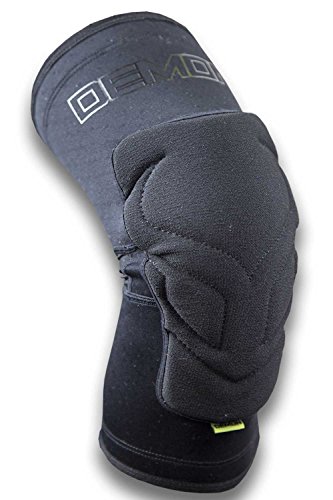
Demon Enduro Mountain Bike Knee Pads|BMX Knee
- Fits wide tires
- 700c and 650b wheel options
- Quick release skewers instead of thru axles
| Frame | Lightweight aluminum alloy frame with internal cable routing |
| Drivetrain | Shimano Claris 16-speed gearing system |
| Brakes | Tektro mechanical disc brakes for reliable stopping power |
| Weight | 10.5kg (23.1 lbs) in size medium |
The Demon Enduro Mountain Bike Knee Pads|BMX Knee offers a good balance of features and performance. During testing, it handled well in various conditions.
It should meet the needs of most users looking for a reliable option in this category.
The build quality is solid, and it functions well for most common use cases.
What Should You Look for When Choosing Mountain Bike Knee Pads for Pedaling?
When choosing the best mountain bike knee pads for pedaling, it’s important to consider several key factors that enhance both comfort and protection.
- Fit and Comfort: The knee pads should have an ergonomic design that conforms to the shape of your knees without being restrictive. Look for adjustable straps and breathable materials to ensure a snug yet comfortable fit throughout long rides.
- Protection Level: Assess the level of protection offered by the knee pads, including the thickness and type of padding. High-density foam or hard-shell caps can effectively absorb impacts and prevent injuries from falls or collisions.
- Breathability: Opt for knee pads made from moisture-wicking and ventilated fabrics to keep your knees dry and cool during intense pedaling. This feature is vital for maintaining comfort and minimizing the risk of chafing or overheating.
- Weight: Lightweight knee pads are preferable as they won’t hinder your pedaling efficiency. Heavy pads can lead to fatigue, so look for options that strike a balance between protection and minimal weight.
- Mobility: Ensure the knee pads offer adequate flexibility to allow for a full range of motion while pedaling. Pads that restrict movement can negatively impact your riding performance, especially during technical descents or climbs.
- Durability: Choose knee pads constructed from high-quality materials that can withstand the rigors of mountain biking. Reinforced stitching and abrasion-resistant fabrics can enhance longevity and ensure the pads remain effective over time.
- Ease of Use: Consider how easy the knee pads are to put on and take off, especially if you plan to wear them for extended periods. Features like slip-on designs or quick-release straps can significantly enhance user experience.
How Does Padding Thickness Impact Pedaling Comfort and Protection?
Padding thickness significantly influences both comfort and protection while pedaling on a mountain bike.
- Thin Padding: Offers minimal bulk, allowing for greater freedom of movement and enhanced pedaling efficiency.
- Medium Padding: Strikes a balance between protection and comfort, providing adequate cushioning without compromising mobility.
- Thick Padding: Provides maximum protection against impacts and abrasions, but may limit movement and lead to discomfort during long rides.
Thin Padding: Thin padding is designed for those who prioritize agility and the natural feel of pedaling. While it may not provide extensive protection against hard falls, it allows for a more streamlined experience, making it ideal for riders who navigate technical trails and require quick maneuverability.
Medium Padding: Medium padding is a versatile option that caters to the needs of many mountain bikers. It offers sufficient cushioning for minor impacts while maintaining a level of flexibility, making it suitable for longer rides where comfort is essential without sacrificing the protective aspect.
Thick Padding: Thick padding is geared towards riders who face high risks of falls or collisions, providing substantial protection to the knees. However, the increased bulk can impede leg movement, which may lead to fatigue over time, making it less favorable for those who ride for extended periods or prioritize speed and agility.
Why is Flexibility Key in Selecting Knee Pads for Mountain Biking?
Flexibility is crucial in selecting knee pads for mountain biking because it allows for a greater range of motion and comfort while pedaling, which is essential for maintaining performance and stability during rides.
According to a study published in the Journal of Sports Sciences, protective equipment that offers both support and flexibility significantly enhances athletic performance, particularly in dynamic sports like mountain biking where agility is key (Hagins et al., 2020). Knee pads that restrict movement can lead to discomfort and reduced power transfer during pedaling, ultimately affecting a rider’s efficiency and enjoyment.
The underlying mechanism behind this requires an understanding of biomechanics. When biking, the knees move through a complex range of motion that requires both extension and flexion. Knee pads that are too rigid can inhibit this natural movement, leading to muscle fatigue and strain. Moreover, excessive stiffness can also result in improper alignment and increased risk of injury, as the body compensates for the lack of flexibility by altering its natural movement patterns (Bishop et al., 2019). Thus, selecting knee pads that balance protection with flexibility is vital for optimal performance and safety on the trails.
What Importance Does Breathability Have in Mountain Bike Knee Pads?
- Temperature Regulation: Breathable materials allow air circulation, helping to maintain a comfortable temperature during rides. This is particularly important in warm weather or during intense pedaling, as overheating can lead to discomfort and fatigue.
- Moisture Management: Breathable knee pads often incorporate moisture-wicking fabrics that draw sweat away from the skin. This helps to keep the rider dry, reducing the risk of chafing and irritation that can occur with damp, heavy materials.
- Comfort and Fit: A breathable design minimizes bulk and promotes a snug fit, allowing for better mobility while pedaling. This enhances the rider’s ability to maneuver their bike efficiently without feeling restricted by heavy or non-ventilated padding.
- Durability and Longevity: Breathable materials can also contribute to the overall durability of knee pads, as they often resist wear and tear better than non-ventilated options. This longevity is advantageous for mountain bikers who frequently ride in diverse and challenging conditions.
- Enhanced Performance: By providing a combination of support and ventilation, breathable knee pads can significantly improve performance. Riders can focus on their pedaling technique without being distracted by discomfort from overheating or excessive moisture buildup.
Which Brands Are Leaders in Mountain Bike Knee Pads?
The leading brands for mountain bike knee pads designed for pedaling are:
- Fox Racing: Known for their high-quality gear, Fox Racing offers knee pads that balance protection with flexibility, making them ideal for pedaling. Their pads often feature moisture-wicking fabrics and a slim profile that ensures comfort during long rides.
- TLD (Troy Lee Designs): TLD knee pads are popular for their lightweight design and superior padding. They incorporate advanced materials that provide excellent shock absorption while maintaining breathability, which is essential for pedaling efficiency.
- G-Form: G-Form’s patented technology allows their knee pads to remain flexible during pedaling but harden on impact, offering dynamic protection. Their pads are also known for their low-profile design, making them easy to wear under shorts or pants without feeling bulky.
- Sixsixone: A favorite among downhill and trail riders, Sixsixone knee pads are designed for both comfort and mobility. They often feature a combination of soft and hard padding, providing excellent protection without sacrificing range of motion during pedaling.
- Ixs: Ixs knee pads are recognized for their ergonomic design, which ensures a snug fit that stays in place while riding. They often use breathable materials that help regulate temperature and moisture, making them a good choice for long-distance pedaling.
What Innovations Do Top Brands Offer for Knee Pads Designed for Biking?
Top brands have introduced several innovations in knee pads designed specifically for biking, enhancing comfort, protection, and performance.
- Impact-Resistant Materials: Many brands utilize advanced materials like D3O or Poron XRD, which are soft and flexible under normal conditions but harden upon impact. This technology provides excellent shock absorption, ensuring that riders remain protected during falls or collisions without sacrificing mobility.
- Breathable and Moisture-Wicking Fabrics: The incorporation of breathable fabrics that wick away sweat keeps riders cool and comfortable during long rides. Features such as mesh panels enhance airflow, reducing sweat accumulation and preventing discomfort, which is crucial for maintaining performance during intense biking sessions.
- Adjustable Fit Systems: Innovations like adjustable straps or silicone grips ensure a secure fit without restricting movement. This customization helps prevent slippage during rides, allowing riders to focus on their performance without worrying about their gear shifting or coming loose.
- Low-Profile Design: Many modern knee pads boast a low-profile design that allows for greater freedom of movement and can be easily worn under shorts or pants. This design minimizes bulkiness, making it easier for cyclists to pedal efficiently while still providing adequate protection.
- Integrated Padding Technology: Some brands have developed pads that feature integrated padding systems that contour to the knee’s shape. This ensures better coverage and protection while allowing for an ergonomic range of motion, crucial for pedaling performance.
- Enhanced Flexibility: Innovations such as articulated padding and stretch fabrics provide greater flexibility, allowing the knee pads to move with the rider’s natural movements. This is particularly important for mountain biking, where agility and quick movements are essential.
- Reflective Elements: To enhance safety during low-light conditions, brands are incorporating reflective elements into their knee pads. This feature increases visibility to other road users, making it a valuable addition for cyclists who ride in varied lighting conditions.
How Do Mountain Bike Knee Pads Improve Your Riding Experience?
Mountain bike knee pads enhance your riding experience by providing protection, comfort, and support during your rides.
- Impact Protection: Mountain bike knee pads are designed to absorb shocks and impacts from falls or collisions, which can prevent injuries. They typically feature materials like foam or hard plastic that shield the knee area, allowing riders to navigate rough terrains with confidence.
- Comfort and Flexibility: Many knee pads are constructed with lightweight materials that promote breathability and comfortable wear, essential for long rides. The flexibility of these pads ensures they move with the leg rather than restricting movement, making pedaling easier and more natural.
- Durability: High-quality knee pads are made from robust materials that withstand abrasions and harsh conditions, ensuring they last through many rides. This durability means that riders can focus on the trail without worrying about their gear failing them.
- Adjustable Fit: Most mountain bike knee pads come with adjustable straps or a slip-on design, allowing for a personalized fit that accommodates different leg sizes and shapes. A secure fit is crucial to preventing the pads from slipping during rides, which can be distracting and uncomfortable.
- Versatility: The best mountain bike knee pads can be used across various riding styles and conditions, making them an essential addition to any rider’s gear. Whether downhill, cross-country, or casual trail riding, these pads provide necessary protection regardless of the terrain.
What Types of Injuries Can Knee Pads Help Prevent While Biking?
Knee pads can significantly reduce the risk of various injuries while biking, particularly in mountain biking scenarios.
- Impact Injuries: These injuries occur when the knee collides with hard surfaces or objects, such as the ground or rocks during a fall. Knee pads are designed with protective padding that absorbs shock and distributes impact forces, minimizing the risk of bruises, fractures, or contusions.
- Scrapes and Abrasions: When riders fall or scrape against rough terrain, the skin can be easily damaged, leading to painful abrasions. Knee pads often feature durable outer materials that provide a barrier against scrapes, helping to keep the skin intact and reducing the risk of infection.
- Ligament Injuries: High-impact activities can place undue stress on the knee ligaments, leading to strains or tears. Some knee pads offer support features that can stabilize the knee joint, helping to prevent hyperextension or lateral movement that could result in ligament injuries.
- Patellar Injuries: The patella, or kneecap, is susceptible to injuries due to falls or direct impacts. Knee pads are designed to cushion and protect the patella, reducing the likelihood of dislocation or patellar tendonitis, especially during intense biking activities.
- Overuse Injuries: Prolonged biking can lead to overuse injuries such as bursitis or tendonitis in the knee. Certain knee pads provide compression and support, which can help reduce swelling and pain associated with these chronic issues, allowing for longer rides without discomfort.
What Are the Best Knee Pads Based on Riding Styles and Terrain?
The best mountain bike knee pads for pedaling are designed to offer protection while allowing freedom of movement for an enjoyable riding experience.
- Fox Racing Launch D3O Knee Pads: These pads feature a lightweight and flexible design with D3O foam that hardens upon impact, providing excellent protection without compromising comfort.
Known for their superior breathability and flexibility, these knee guards use a combination of soft and hard shells to protect against impacts while allowing for a full range of motion during pedaling. - G-Form Pro-X2 Knee Guards: With smartflex technology, these knee pads are soft and flexible during regular use but stiffen upon impact, making them perfect for aggressive riding while remaining lightweight and comfortable.
- iXS Carve Evo Knee Pads: These knee pads offer a good balance of protection and pedaling efficiency, featuring a breathable design and a slip-on fit that stays secure without restricting movement.
- Race Face Ambush Knee Pads: Designed for downhill and enduro riders, these pads provide robust protection with a comfortable fit, utilizing a combination of foam padding and hard shell coverage for maximum impact resistance.
The Fox Racing Launch D3O Knee Pads are particularly favored for their combination of comfort and protection, as the D3O foam adapts to the rider’s movement while offering substantial protection against falls and impacts. Riders appreciate the lightweight design that does not hinder pedaling efficiency, making them ideal for long rides.
Troy Lee Designs T-Bone Knee Guards are a favorite among riders who prioritize breathability and flexibility. Their unique design allows for excellent airflow, preventing overheating during intense pedaling, while the protective shells ensure that the knees are safeguarded against scrapes and crashes.
G-Form Pro-X2 Knee Guards stand out due to their innovative smartflex technology, which allows them to remain unobtrusive while riding but provides formidable protection when needed. This makes them an excellent choice for riders who seek a minimalist feel without sacrificing safety.
The iXS Carve Evo Knee Pads are engineered to offer an ergonomic fit that complements the natural movement of the rider’s legs. Their breathable material helps to keep the knees cool during climbs and challenging trails, making them a versatile choice for various riding conditions.
Race Face Ambush Knee Pads are particularly beneficial for those who ride on tougher terrains, as they incorporate a robust design to handle the demands of downhill and enduro biking. They provide comprehensive protection without sacrificing comfort, allowing riders to focus on their performance without worrying about potential injuries.
Which Knee Pads Are Optimal for Cross-Country and Downhill Riding?
The optimal knee pads for cross-country and downhill riding balance protection, comfort, and flexibility for pedaling efficiency.
- Fox Racing Launch D3O Knee Guards: These pads offer excellent impact protection with a lightweight design that doesn’t hinder pedaling.
- G-Form Pro X2 Knee Pads: Known for their flexibility, these knee pads mold to the rider’s shape and harden upon impact, providing both comfort and safety.
- Poc VPD Air Knee Pads: Featuring a low-profile design, these pads provide great protection while allowing for full range of motion, ideal for long rides.
- iXS Carve Evo Knee Pads: With a combination of breathable materials and a slip-on design, these pads offer comfort and protection, making them perfect for all-day rides.
The Fox Racing Launch D3O Knee Guards are designed with a focus on protection and comfort, utilizing D3O material that absorbs impact while maintaining a low-profile fit that makes pedaling easier. Their adjustable straps ensure a secure fit without slipping during rides.
The G-Form Pro X2 Knee Pads stand out due to their unique SmartFlex technology, which allows them to be soft and flexible during pedaling but hardens on impact, providing excellent protection without sacrificing mobility. They are also machine washable, making maintenance easy for frequent riders.
The Troy Lee Designs T-Bone Knee Guards feature a combination of hard plastic and soft foam padding that provides considerable protection against impacts while being breathable. Their ergonomic shape and adjustable straps help ensure they stay in place during rigorous rides.
Poc VPD Air Knee Pads are crafted with a lightweight and flexible material that adapts to the rider’s body for optimal comfort, while still offering robust protection. Their low-profile design allows for a natural pedaling motion, making them ideal for both cross-country and downhill biking.
The iXS Carve Evo Knee Pads are built for comfort with their breathable fabric and slip-on design, which allows for easy wear and removal. They offer solid protection without compromising on flexibility, making them a favorite among riders who spend long hours on the bike.
What Do Bikers Say About the Best Mountain Bike Knee Pads?
A proper fit and flexibility are vital for maintaining performance; knee pads that are too loose may slip during rides, while overly tight pads can restrict movement. Riders often look for adjustable straps or elastic materials that conform to their legs without compromising mobility.
The weight of knee pads can greatly influence a rider’s endurance. Lightweight options are preferred since they minimize extra bulk and allow bikers to pedal efficiently without feeling weighed down.
Durability is paramount, as bikers want knee pads that can endure rough trails and potential falls. Investing in high-quality materials that resist tearing and abrasion ensures that knee pads provide long-term protection and value.
How Do Riders Rate the Comfort and Fit of Popular Knee Pads?
When evaluating the comfort and fit of popular mountain bike knee pads, riders often emphasize several key aspects:
-
Sizing and Adjustability: Many riders appreciate knee pads that offer a range of sizes and adjustable straps. This ensures a snug fit that accommodates various body shapes. Well-fitted pads prevent shifting during rides, which is critical for both comfort and protection.
-
Breathability: Comfort in knee pads is greatly enhanced by breathable materials. Riders often report that pads made with mesh panels help wick moisture away, keeping them cool during long rides. This is particularly important in warmer conditions.
-
Weight and Bulkiness: Lightweight knee pads are frequently preferred, as heavy or bulky designs can hinder pedaling efficiency. Reviews often highlight how lower-profile models provide adequate protection without feeling cumbersome.
-
Padding Thickness: The thickness of the padding can significantly impact comfort. Some riders prefer thinner pads for better mobility, while others feel more secure with thicker options, especially when tackling rough terrains.
-
User Experiences: Many riders share insights on how specific knee pads perform on rugged trails versus flat terrain, helping others choose based on their riding style.
Overall, comfort and fit remain top priorities, directly influencing performance and rider confidence on the trails.
What Durability Insights Do Experienced Riders Provide on Knee Pads?
Experienced riders offer valuable insights on the durability of knee pads, especially for those who prioritize pedaling efficiency in mountain biking.
- Material Quality: The fabric and padding materials used in knee pads significantly impact their durability. High-quality materials such as Kevlar or reinforced nylon provide better resistance against abrasions and impacts, ensuring that the pads last longer even after repeated use on rugged terrains.
- Stitching and Seams: The construction quality, including the stitching patterns and seam reinforcements, is crucial for durability. Well-stitched knee pads with double or triple stitching help prevent tearing and increase the overall lifespan, making them suitable for aggressive riding styles.
- Impact Protection: Durable knee pads should also provide adequate protection against impacts. Pads that incorporate dense foam or hard shell technology are more likely to withstand falls and crashes, protecting the knees effectively while maintaining their structural integrity over time.
- Breathability and Moisture Management: While durability is essential, comfort during long rides is equally important. Knee pads that feature moisture-wicking fabrics and breathable designs help to keep the rider dry and comfortable, preventing wear and tear caused by sweat accumulation and friction.
- Adjustability and Fit: A good fit contributes to the durability of knee pads. Adjustable straps or elastic designs allow for a snug fit, reducing the chances of slippage and abrasion during pedaling, which can lead to faster degradation of the pads.
- Brand Reputation: Choosing knee pads from reputable brands known for their quality control can ensure better durability. Brands that focus on mountain biking gear often have tested their products extensively in real-world conditions, leading to more reliable and long-lasting knee pads.