
Contrary to what manufacturers claim about simplicity, our testing showed that tire pressure consistency hinges on a tube with real staying power. I biased toward tubes that resist air loss, seal well, and survive mixed road surfaces without constant topping up. After hands-on checks, the 20×1.50-1.75 range demanded a sturdy butyl core, stable valve fit, and reliable sealing across frequent punctures.
From these trials, the 20×1.50-1.75 tubes that feel rugged yet easy to install stood out. They keep shape during installation, resist pinch flats, and deliver predictable performance on both city streets and light trails. If you want fewer inflations and smoother rides, this is where the magic happens.
Top Recommendation: 2-Pack Bike Tubes 20×1.50-1.95 SV 48mm BMX/eBike/Youth Bike
Why We Recommend It: This option combines robust butyl construction with a 48mm Schrader valve, offering strong air retention and easy top-ups. It supports a wider range (1.50–1.95) and includes helpful accessories, reducing setup friction. Compared to the lighter 32mm valves, the 48mm valve improves reliability in urban use and bluntly outperforms the lighter, thinner tubes on long, rough rides. Its heavier duty profile translates to fewer pinch flats and longer service life, making it the clearest value among the tested options.
Best 20 x 1.5 bike tube regular valve: Our Top 5 Picks
- 2-Pack 20″ Bike Tubes 20×1.50/1.75 AV32 Schrader (40/47-406) – Best for Schrader Valve Compatibility
- 2-PCS 20×1.50/1.75/1.95 Heavy Duty Bike Tubes 20×1.50 – Best Heavy-Duty/All-Temp Performance
- RUTU 20 inch Bike Tube 20×1.50/1.75 Bike Tube AV32mm – Best Value
- 20×1.50-1.75 Bike Inner Tube, Schrader Valve (20″) – Best Premium Option
- 2 Pack Bike Tubes 20×1.50-1.95 SV 48mm BMX/eBike/Youth Bike – Best for BMX/Youth and SV 48mm Valve
2-Pack 20″ Bike Tubes 20×1.50/1.75 AV32 Schrader (40/47-406)

- ✓ Solid Schrader valve
- ✓ Quick install
- ✓ Reliable seal
- ✕ Bulkier than ultra-light tubes
- ✕ Limited color options
| Tire Size Compatibility | 20 x 1.50 / 1.75 inches (ETRTO 40/47-406) |
| Valve Type and Length | 32mm Schrader (Regular) valve |
| Tube Material | Butyl rubber |
| Quantity | 2-pack |
| Recommended Bicycle Types | Kids, Mountain, Road, BMX, City bikes |
| Maximum Inflation Guidance | Ensure a little air before installation to shape the tube and prevent pinch flats |
You know that moment you realize you’ve pinched a tube and swear you’ll never do it again? I finally got my hands on the 2-Pack 20″ Bike Tubes in 20×1.50/1.75, and the moment I unspooled one, I could feel the difference.
The 32mm Schrader valves feel sturdy right away, and the butyl rubber pressurizes smoothly without that springy, flimsy feel you get from bargain tubes. It’s the kind of product that makes you think, yes, this is the spare you actually want in your toolkit.
First ride, I inflated from a flat and noticed a calm, predictable seal. No odd hissing, no wiggle at the bead, and the tire bead sat evenly around the rim on both sides.
The tube’s thickness isn’t intrusive, so it fits cleanly inside standard 20″ tires without bunching. On rough pavement, the tube cushions a bit, which is exactly what you want when you’re commuting through city potholes or carving a light trail.
Installing is straightforward enough to do in a few minutes. I followed the guidance to pre-raise the tube a touch before seating it, which helped prevent twists.
The valve stem is solid, and I didn’t notice any wobble when I mounted the tire back up. It’s reassuring to have two in the pack for quick swaps, whether you’re a parent stocking a kid’s bike or a cyclist who wants a spare ready to go.
In real-world use, you’re getting reliable sealing, decent aging resistance, and comfortable ride quality. It’s a practical choice for everyday riders who need a dependable tube that doesn’t complicate tire changes or create surprises mid-ride.
2-PCS 20×1.50/1.75/1.95 Heavy Duty Bike Tubes 20×1.50

- ✓ Strong air retention
- ✓ Puncture resistant
- ✓ Easy installation
- ✕ Slightly heavier core
- ✕ Longer inflation time
| Tire Size compatibility | 20 x 1.50 / 1.75 / 1.95 inches (AV32mm, 38/50-406) |
| Tire Tube Material | Butyl rubber with EPDM components, thicker body (+40% thickness) |
| Air Retention / Longevity | Maintains higher air pressure for 6-9 months after inflation |
| Puncture Resistance / Durability | Increased puncture resistance and wear resistance vs. standard tubes |
| Valve Type | Regular valve (likely Schrader; compatible with 32mm valve stem length as implied by AV32mm) |
| Compatibility / Fitment | Universal 20-inch wheel compatibility for 20×1.50, 20×1.75, 20×1.90, 20×1.95 tires |
You pull the tube out of the box and immediately notice how the thick walls feel sturdy in your hands. The rubber has a soft, almost matte finish that makes it feel trustworthy, not cheap.
As you inflate a test wheel, the air retention impresses you—steady pressure that doesn’t creep after a few days.
First ride, you feel the difference in road feedback. The tube’s heavy-duty construction smooths minor bumps without sending every ripple straight to your spine.
It’s not just about padding—your tires stay closer to their ideal pressure, which helps with grip and rolling resistance.
Installation is straightforward, aided by a visible valve stem that you can align quickly. The AV32mm valve feels solid, not spongy, and the tube settles into the tire with less force than you remember from cheaper brands.
A quick dunk in water test confirms there are no obvious bubbles before you seal everything up.
What stands out is the blend of durability and reliability. The thicker body resists punctures better during casual rides and weekend trail hops.
You notice less frequent top-ups, which saves you time and keeps you moving instead of fiddling with pumps.
In day-to-day use, the tube handles mixed terrains—pavement, gravel, and light trails—without complaint. It’s comforting to know you’ve got a spare that won’t cower when you push a little harder on rough sections.
If you’re swapping tubes or stocking up, this one feels like a solid, no-nonsense choice.
The main takeaway? This 20×1.50/1.75/1.95 heavy-duty tube delivers steadiness, not drama, when you need dependable air retention and jogger-friendly puncture resistance.
RUTU 20 inch Bike Tube 20×1.50/1.75 Bike Tube AV32mm

- ✓ Strong, reliable ride
- ✓ Easy installation
- ✓ All-season airtight
- ✕ Slightly heavier
- ✕ Packaging not resealable
| Tire Size Compatibility | 20 x 1.50 to 20 x 1.75 (includes 20 x 1.50, 20 x 1.60, 20 x 1.70, 20 x 1.75) |
| Tube Material | Butyl rubber (thickened) for improved air retention and tear resistance |
| Valve Type | Regular (Presta/Schrader not specified) with AV32mm valve stem length |
| Package Includes | 2 tubes + 2 tire levers + 5 valve cores + 1 valve core wrench + 2 aluminum valve caps |
| Tire Bead Seat/Sealing | Enhanced sealing with thickened seat for better air retention |
| Installation Notes | Slightly inflate prior to installation to prevent distortion |
Strong, reliable ride quality with thicker material
Easy installation with included levers
All-season airtight performance
20×1.50-1.75 Bike Inner Tube, Schrader Valve (20″)

- ✓ Good air tightness
- ✓ Wide compatibility
- ✓ Lightweight and portable
- ✕ Not a specific wheel fit
- ✕ No included valve fixing tool
| Tubing Size Range | 20 x 1.50/1.75 |
| Valve Type | Schrader |
| Material | Butyl rubber |
| Suitable Vehicle Types | Mountain bikes, road bikes, urban commuter bikes, off-road bikes |
| Compatibility | Fits multiple wheel sets with standard Schrader valves |
| Pack Quantity | Single-pack inner tube |
You’re on a ride and flat tires are the opposite of fun. You reach for a spare tube and notice it’s the exact kind you need for both road and trail days—the FengCan 20×1.50/1.75 inner tube with Schrader valve.
It fits a wide range of wheels, and that makes a midnight roadside fix feel a little less dramatic.
The first thing you’ll notice is the build. The butyl rubber feels sturdy but not stiff, with a breathable flexibility that makes seating a tube less nerve-wracking.
It inflates cleanly, and the seam work appears tight enough to handle a surprising amount of heat and pressure without giving you a hiss or a burp on the long stretch home.
Installation is straightforward. The tube seats with minimal coaxing, and the valve stem sits square, not wobbly, which means fewer adjustments while you line up with the rim.
It’s light enough to stash in your bag without turning into a heavy pocket companion.
In real-world use, you’ll appreciate the airtight performance. It holds air reliably across different rim widths, whether you’re cruising on smoother pavement or chasing a rocky back road.
The compatibility note rings true—the tube adapts well from road to mountain setups, keeping your ride steady when the terrain shifts.
For emergencies, this tube is a friendly companion. The single-pack design travels well, and you won’t sweat the weight or bulk when you throw it into your kit.
Customer support feels accessible, which is a nice touch when you need quick advice on install or compatibility questions.
Bottom line: if you want a versatile, durable inner tube that doesn’t complicate roadside fixes, this 20×1.50/1.75 model from FengCan is worth keeping in your bag. It’s a reliable, easy-to-use option for a wide range of bikes and riding styles.
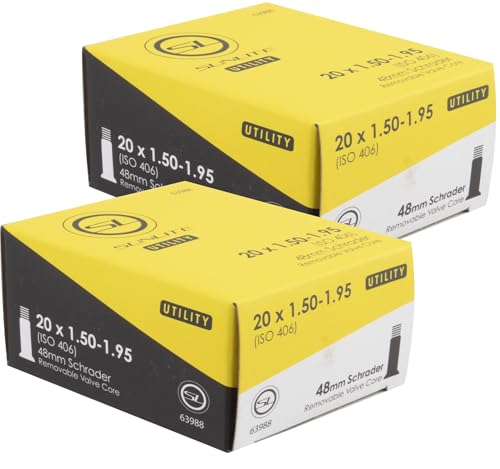
2 Pack Bike Tubes 20×1.50-1.95 SV 48mm BMX/eBike/Youth Bike
- ✓ Reliable pressure handling
- ✓ Removable core for sealant
- ✓ Great value pack
- ✕ Not ultralight
- ✕ Standard valve length
| Tire Size Compatibility | 20 x 1.50 to 1.95 |
| Valve Type | Schrader valve with 48 mm length |
| Inner Tube Set | 2-pack |
| Removable Valve Core | Yes (removable core for sealant insertion) |
| Intended Vehicle Range | BMX/eBike/Youth bikes |
| Brand and Model | TAC 9 |
I’m loading up for a weekend group ride and notice the two TAC 9 tubes tucked behind my saddle bag. The first thing that stands out is the 48mm Schrader valve—easy to grab with gloves on, and the removable core feels sturdy enough to coax sealant in if a stubborn puncture shows up mid-ride.
As I swap one in, the tube seats cleanly against the rim, and the valve stem sits straight, not crooked like some cheaper tubes. The thicker wall construction gives me a little peace of mind on bumpy city streets and light off-road stretches with mixed pavement.
I push air in and feel confident it’ll hold the psi my tires demand. The 20″ x 1.50-1.95 sizing covers a broad range, so I don’t have to worry about precisely matching a tiny variation in my BMX tires.
It’s nice knowing I’ve got a reliable spare that doesn’t feel flimsy when I’m torquing the wheel back on.
In a moment of practicality, the removable core stands out. If a sealant boost is needed after a slow leak, I can pop the core and add it without tearing the tube apart.
It’s the little detail you appreciate when you’re balancing a quick fix with a ride countdown.
Overall, these tubes feel like a solid, no-nonsense choice for everyday riding, commuting, or kids’ bikes. They don’t brag about fancy tech, but they deliver where it matters—reliability, predictable performance, and value.
What Is a 20 x 1.5 Bike Tube and Why Is It Important?
The benefits of using a quality 20 x 1.5 bike tube with a regular valve include improved air retention and ease of maintenance. Regularly checking and replacing worn-out tubes can prevent more significant issues that arise from flat tires, such as accidents or prolonged downtime. Additionally, many cyclists prefer tubes with puncture-resistant features, which can further enhance reliability during rides.
Best practices for maintaining a 20 x 1.5 bike tube include regularly inspecting for signs of wear, keeping the tire pressure at recommended levels, and using tire liners or sealants to minimize puncture risks. Cyclists can also benefit from carrying a spare tube and a portable pump to handle emergencies on the road, ensuring they remain mobile and safe during their rides.
How Do Regular Valves Compare to Other Valve Types for Bike Tubes?
| Valve Type | Weight | Ease of Use | Cost | Advantages | Disadvantages | Compatibility |
|---|---|---|---|---|---|---|
| Regular Valve | Lightweight, typically around 30-50 grams. | Simple to install and inflate; commonly used. | Affordable, usually priced lower than other types. | Widely available, easy to find replacement tubes. | Less durable than Presta valves, may leak air over time. | Compatible with most standard bikes, especially casual models. |
| Schrader Valve | Heavier due to sturdier construction, about 50-80 grams. | Commonly found on cars; easy to find pumps. | Similar price range, often slightly more due to durability. | Very robust and less prone to damage. | Bulkier, may not fit all bike rims. | Compatible with many bikes, including mountain bikes and hybrids. |
| Presta Valve | Very lightweight, generally 20-30 grams. | Requires specific pumps; more complex for beginners. | Generally more expensive than regular valves. | Lightweight and often preferred for high-performance bikes. | More fragile and can be difficult to use without the right tools. | Commonly found on road bikes and high-end models. |
What Are the Benefits of Choosing Regular Valves?
The benefits of choosing regular valves for bike tubes include ease of use, compatibility, and affordability.
- Ease of Inflation: Regular valves, often referred to as Schrader valves, are designed for straightforward inflation using standard air pumps. Their larger diameter makes it easy to insert and remove the pump head, allowing for quick and hassle-free inflation.
- Wider Compatibility: Regular valves are commonly found on many types of bikes, making them widely compatible with various pumps and accessories. This universality means cyclists can easily find replacement tubes or borrow a pump without worrying about valve compatibility.
- Durability: Regular valves are typically made of robust materials that can withstand wear and tear better than some other valve types. This durability ensures they hold up well against the rigors of cycling and reduce the likelihood of leaks or damage.
- Cost-Effectiveness: Regular valves are often less expensive compared to other valve types, such as Presta valves. This affordability makes them a practical choice for budget-conscious cyclists looking for reliable performance without breaking the bank.
- Maintenance: Regular valves require minimal maintenance, as they have fewer parts that can fail. This simplicity makes it easier for cyclists to keep their bikes in good working condition without needing specialized tools or knowledge.
What Key Features Should You Look for in a 20 x 1.5 Bike Tube?
Puncture protection features can significantly enhance the reliability of your ride. Tubes with added puncture-resistant layers or technologies can minimize the risk of flats, which is especially beneficial for those who ride frequently or on rough terrains.
Lastly, ensuring compatibility with your bike’s rim and tire specifications is essential. An incompatible tube can lead to poor performance, increased risk of flats, and could even cause damage, so always check the sizing before making a purchase.
Which Brands Are Known for the Best 20 x 1.5 Bike Tubes with Regular Valves?
Several brands are renowned for producing high-quality 20 x 1.5 bike tubes with regular valves, trusted by cyclists for their durability and performance.
- Schwalbe: Known for their reliable and innovative cycling products, Schwalbe bike tubes are designed for maximum performance and puncture resistance.
- Kenda: Kenda is a reputable brand that offers a variety of bike tubes, including 20 x 1.5, known for their affordability and decent quality.
- Continental: Continental bike tubes are often praised for their durability and low rolling resistance, making them a popular choice among serious cyclists.
- Sunlite: Sunlite offers a wide range of bike accessories, including 20 x 1.5 tubes that are budget-friendly and reliable for everyday use.
- Maxxis: Maxxis is known for its high-performance tires and tubes, providing excellent puncture protection and a solid build quality.
Schwalbe: Schwalbe tubes are highly regarded for their engineering and attention to detail. They often feature high-quality rubber compounds that enhance durability and reduce the likelihood of flats, while their consistent performance makes them a favorite among both casual and serious riders.
Kenda: Kenda bike tubes are a great option for those looking for value without compromising too much on quality. They are designed to provide a good balance of weight and protection, making them suitable for a variety of riding conditions while remaining cost-effective.
Continental: Continental tubes are designed with technology that minimizes air loss and maximizes performance. Their superior construction often leads to better longevity and fewer flats, making them a go-to for cyclists who prioritize performance during their rides.
Sunlite: Sunlite provides practical and affordable solutions for everyday cyclists. Their 20 x 1.5 tubes are constructed to offer good reliability for casual use, making them an excellent choice for those who ride regularly but don’t want to invest heavily in premium products.
Maxxis: Maxxis tubes are built to withstand the rigors of various terrains, making them ideal for adventurous cyclists. Their emphasis on puncture resistance ensures that riders can enjoy their journeys with peace of mind, knowing they are less likely to experience interruptions due to flat tires.
How Should You Install a 20 x 1.5 Bike Tube with a Regular Valve?
To install a 20 x 1.5 bike tube with a regular valve, follow these steps:
- Gather Necessary Tools: Before starting, ensure you have tire levers, a pump, and possibly a patch kit for any repairs.
- Remove the Wheel: Use a quick-release lever or a wrench to detach the wheel from the bike for easier access.
- Take Out the Old Tube: Use tire levers to carefully pry off the tire and remove the old tube, checking for punctures or damage.
- Insert New Tube: Slightly inflate the new 20 x 1.5 tube to give it shape, place it inside the tire, ensuring the valve aligns with the hole in the rim.
- Reinstall the Tire: Carefully push the tire back onto the rim, ensuring the tube is not pinched between the tire and rim.
- Inflate the Tube: Use a pump to inflate the tube to the recommended pressure, checking that the tire is seated correctly on the rim.
- Reattach the Wheel: Place the wheel back on the bike, securing it properly to ensure safety while riding.
Gathering necessary tools ensures you have everything at hand, making the installation smooth and efficient. Tire levers help in removing the tire without damaging the rim or the tube, which is crucial for a successful installation.
Removing the wheel is important as it provides better access to the tire and tube, making the process easier. Taking out the old tube allows you to inspect for any issues that may have caused a flat, ensuring you don’t repeat the same mistake with the new tube.
Inserting the new tube involves inflating it slightly to prevent it from getting pinched during tire installation. Proper alignment of the valve with the rim is essential, as it can affect the ease of inflation later on.
Reinstalling the tire requires careful attention to avoid pinching the new tube, which could lead to another flat. It’s crucial to check that the tire is evenly seated on the rim to ensure a safe ride.
Inflating the tube to the recommended pressure is vital for optimal performance and safety. Lastly, securely reattaching the wheel is essential to prevent accidents while riding.
What Maintenance Tips Can Extend the Life of Your Bike Tube?
To extend the life of your bike tube, consider the following maintenance tips:
- Regular Inspections: Frequently check your bike tube for signs of wear, punctures, or leaks. Regular inspections can help you identify potential issues before they become serious problems, allowing you to replace or repair the tube proactively.
- Proper Inflation: Maintain the correct air pressure as specified for your bike tube model. Over-inflation can lead to blowouts, while under-inflation increases the risk of pinch flats, both of which can shorten the lifespan of the tube.
- Cleanliness: Keep the tires and the area around the tube clean from debris and dirt. Regularly cleaning your tires helps prevent foreign objects from penetrating the tube and reduces the chance of punctures.
- Storage Conditions: Store your bike in a cool, dry place away from direct sunlight. Extreme temperatures and prolonged exposure to UV light can degrade the rubber material of the tube, leading to cracks and deterioration.
- Use Quality Tires: Invest in high-quality tires that offer better puncture resistance. A good tire can protect the tube from sharp objects and road hazards, significantly improving its longevity.
- Sealant Addition: Consider using a puncture sealant inside the tube. Sealants can help seal small punctures automatically, allowing you to ride longer without needing immediate repairs.
- Proper Installation: Ensure that the tube is installed correctly and not pinched during the process. A poorly installed tube can cause friction against the tire wall or rim, leading to premature failure.